Local Life & Quebec Traditions
Quebec stands apart as a distinct cultural island in North America, where French heritage meets contemporary Canadian life in ways that surprise even seasoned travelers. Understanding local traditions here goes far beyond knowing a few phrases in French—it requires grasping the psychological rhythms of the seasons, the unwritten social codes that govern daily interactions, and the legal framework that shapes everything from terrace culture to cannabis consumption.
For visitors seeking authentic experiences beyond the tourist trail, Quebec’s cultural landscape presents both wonderful opportunities and potential pitfalls. This comprehensive look at local life explores the essential elements that define Quebec’s identity: from the famous “Bonjour/Hi” greeting debate to the mass migration on Moving Day, from winter festival traditions to the etiquette of rural communities. Whether you’re planning a slow travel experience outside Montreal or preparing for your first Carnaval de Québec, these insights will help you navigate this unique society with confidence and cultural sensitivity.
Understanding Quebec’s Unique Cultural Identity
Quebec’s cultural identity is shaped by a complex history of language preservation, North American pragmatism, and a fierce pride in maintaining traditions. Unlike other Canadian provinces, Quebec operates under civil law rather than common law, speaks predominantly French despite being surrounded by English, and has developed social customs that can feel distinctly European to other North Americans while remaining uniquely Quebecois.
The Language Landscape and Bilingual Nuances
The “Bonjour/Hi” greeting you’ll encounter in Montreal shops represents more than just politeness—it’s a linguistic compromise born from decades of language politics. Bill 101, Quebec’s Charter of the French Language, mandates French as the official language of business and public life, yet urban centers like Montreal have developed their own bilingual protocols. When entering a shop, initiating conversation in French (“Bonjour”) demonstrates cultural respect, even if you immediately switch to English afterward.
Outside major cities, the linguistic landscape shifts dramatically. In regions like Charlevoix, Gaspésie, or Saguenay–Lac-Saint-Jean, French becomes the dominant—and often only—language of daily life. Many rural Quebecois speak limited English, making basic French phrases not just courteous but essential. Think of language here as a key that unlocks different levels of local experience: functional tourism requires none, comfortable navigation needs basic phrases, but genuine connection demands conversational French.
Quebec Humor, Directness, and Social Codes
Quebecois communication style combines French expressiveness with North American informality, creating a unique blend that can confuse visitors expecting either European formality or typical Canadian reserve. Directness is valued over diplomatic hedging—a Quebecois friend will tell you frankly if your restaurant choice is disappointing or your winter coat inadequate, which reflects care rather than rudeness.
The local sense of humor tends toward self-deprecation, wordplay that works primarily in French, and teasing that signals friendship. Misinterpreting this directness as hostility or the casual swearing (sacres like “tabarnak” or “câlisse”) as deeply offensive can create unnecessary social distance. These expressions, while technically religious in origin, function more like intensifiers in everyday speech—comparable to how English speakers might use “damn” without literal meaning.
Legal Essentials Every Visitor Should Know
Quebec’s legal framework differs from other Canadian provinces in several important ways, reflecting both its civil law tradition and its distinct approach to social regulation. Understanding these rules isn’t just about avoiding fines—it’s about respecting the social contract that shapes daily life here.
Alcohol and Cannabis Regulations
Alcohol sales in Quebec are controlled by the SAQ (Société des alcools du Québec), the provincial liquor board, with wine and spirits available only through SAQ stores or licensed restaurants. Beer and some wines can be purchased at grocery stores and corner shops (dépanneurs), but selection varies dramatically. The legal drinking age is 18, lower than most other provinces, and you’ll find a more European approach to alcohol—wine at lunch is unremarkable, though public intoxication remains socially frowned upon.
Cannabis regulations follow federal Canadian law permitting recreational use, but Quebec has added provincial restrictions: the minimum age is 21 (not 18), consumption in public spaces is prohibited, and growing plants at home is banned. The SQDC (Société québécoise du cannabis) operates as the sole legal retailer. For visitors, this means you can legally purchase and consume cannabis in private spaces like rental accommodations, but lighting up on a park bench or terrace will result in fines.
Traffic Laws and Road Safety
Quebec drivers navigate under rules that occasionally differ from other jurisdictions. The province permits right turns on red lights everywhere except on the island of Montreal, where they’re prohibited—a rule that catches many visitors off guard. Winter tire regulations mandate their use from December through March, and rental car companies automatically equip vehicles during this period.
Speed limits are posted in kilometers per hour, and enforcement is taken seriously, particularly in construction zones where fines double. The province has a zero-tolerance policy for combining alcohol and driving for young and novice drivers, while experienced drivers face a 0.08% blood alcohol limit. Quebec roads also feature unique signage using French terminology: “Arrêt” instead of “Stop,” and directional signs that prioritize French even in bilingual areas.
Healthcare Access and Consumer Rights
Visitors to Quebec should understand that while Canada has universal healthcare, provincial health insurance doesn’t automatically cover tourists. Emergency care will never be refused, but you’ll receive a bill afterward that can be substantial—a simple ER visit easily costs several hundred dollars, while serious treatment runs into thousands. Travel insurance with medical coverage isn’t just recommended; it’s essential.
Consumer protection in Quebec is governed by strong provincial laws that favor buyers. The Office de la protection du consommateur enforces rules about transparent pricing, return policies, and contract terms. All prices must include taxes in advertised amounts for certain sectors, and you’ll notice that consumer contracts often provide more protections than elsewhere in North America. Sales taxes combine federal GST and provincial QST for a total of approximately 15%, applied to most goods and services.
The Rhythm of Quebec’s Seasons
Perhaps nothing defines Quebec life more profoundly than the dramatic seasonal shifts that govern not just weather but social patterns, cultural events, and collective psychology. Understanding this psychological seasonality helps visitors time their experiences for authenticity and avoid the frustration of arriving when locals are in a different mindset entirely.
Spring’s Moving Day Tradition
July 1st marks both Canada Day and Quebec’s infamous Moving Day, when an estimated one in six Montreal residents changes apartments. This mass migration stems from historical lease structures that traditionally ended on April 30th (later shifted to June 30th), creating a synchronized moving season. The result is a logistical ballet where moving trucks jam streets, sidewalks overflow with furniture, and neighborhoods transform overnight.
For visitors, this phenomenon means late June and early July bring both opportunities and challenges. Rental accommodations may be scarce as leases turn over, but you’ll witness a uniquely Quebecois tradition where neighbors help strangers carry sofas, abandoned furniture gets claimed from curbs, and the entire province seems to reorganize itself in 48 hours. The tradition also reveals Quebec’s rental culture—home ownership rates are lower here than in other provinces, making renting a mainstream, long-term choice rather than a transitional phase.
Summer’s Terrace Culture Explosion
After enduring months of winter, Quebecois embrace warm weather with an intensity that transforms the province. Terrace culture—outdoor restaurant and bar seating—explodes the moment temperatures permit, with establishments extending onto sidewalks, rooftops, and any available outdoor space. Locals will sit on terraces wearing jackets in 15°C weather simply to be outside, treating sunshine like a precious commodity.
This seasonal mentality extends to longer days, festival season, and a general cultural permission to enjoy life outdoors. The Construction Holiday in the last two weeks of July sees major projects pause and many families decamp to cottages, making cities quieter but rural areas and tourist regions busier. Understanding this rhythm helps visitors avoid planning urban experiences when locals have fled, or arriving at popular destinations during peak domestic tourism.
Winter Cocooning and Holiday Patterns
As temperatures plunge and snow accumulates, Quebec society shifts into what locals call cocooning—a retreat into warm indoor spaces focused on comfort food, close friendships, and intimate gatherings. This isn’t hibernation but rather an adaptation: social life moves from terraces to living rooms, from festivals to dinner parties, from spontaneous encounters to planned indoor activities.
Winter also brings distinctive food cravings tied to cold-weather psychology. Poutine, tourtière (meat pie), pea soup, and maple-based treats become comfort foods that feel necessary rather than indulgent. Sugar shacks (cabanes à sucre) operate during maple syrup season (March-April), offering traditional meals and maple taffy poured on snow. These seasonal eating patterns aren’t tourist attractions but genuine cultural practices that visitors can participate in authentically by timing their visit appropriately.
Immersing Yourself in Local Life
Authentic Quebec experiences require moving beyond hotel lobbies and tour buses into the rhythms of residential neighborhoods and rural communities. Your accommodation choices and travel pace dramatically affect the depth of cultural immersion you’ll achieve.
Accommodation Choices for Authentic Experiences
Hotels in major cities provide comfort but insulate you from local life, while alternative accommodations offer windows into Quebec’s residential culture. Gîtes du passant (B&Bs) put you in direct contact with Quebecois hosts who often share insights about their region over breakfast. These family-run establishments range from heritage homes in Old Quebec to countryside farms, with hosts who embody the local hospitality tradition.
Long-term apartment rentals in residential neighborhoods like Montreal’s Plateau, Rosemont, or Quebec City’s Saint-Jean-Baptiste reveal daily rhythms invisible to tourists: the corner dépanneur where regulars gather, the local bakery’s morning rush, the parks where families congregate. Even a week in a neighborhood apartment teaches you more about Quebec life than a month in a tourist district hotel, particularly if you shop at local markets and navigate using neighborhood French.
Rural Etiquette and Slow Travel
Outside urban centers, Quebec’s cultural nuances become more pronounced and the pace of life noticeably slower. Rural communities from Kamouraska to Îles de la Madeleine operate on relationship-based social codes where courtesy and recognition matter deeply. Greeting shopkeepers, acknowledging fellow hikers on trails, and taking time for small talk aren’t optional politeness but essential social lubricants.
Slow travel in these regions means accepting that services may close unexpectedly, that meals take longer, and that the best experiences come from conversation rather than itineraries. A village restaurant might not serve you quickly, but the owner might sit down to explain where their ingredients come from. A craft workshop might seem inefficient by urban standards, but you’ll leave understanding the tradition behind the product. This approach requires patience and flexibility—qualities that rural Quebec both demands and rewards with memorable authentic encounters.
Experiencing Quebec’s Winter Festival Culture
Quebec’s relationship with winter transcends mere tolerance—it involves active celebration through festivals that transform the season’s harshness into communal joy. These events aren’t tourist shows but genuine cultural expressions that locals attend in remarkable numbers despite brutal cold.
The Bonhomme Carnaval Tradition
The Carnaval de Québec, one of the world’s largest winter festivals, centers around Bonhomme, a snowman figure who serves as the event’s ambassador and symbol. To visitors, Bonhomme might seem like a mascot, but to Quebecois, he represents a cultural touchstone tied to childhood memories and winter resilience. The effigy appears throughout Quebec City in various sizes, and wearing the official red sash grants access to outdoor events and activities.
The festival’s caribou drink—a potent mixture traditionally combining red wine, whisky, and maple syrup—embodies the practical approach to extreme cold: internal warmth to combat external freeze. While recipes vary and the modern version is often less alcoholic, understanding that this isn’t just festive drinking but a historical cold-weather survival tradition adds context. The drink’s potency has caught many unprepared visitors off guard, particularly when combined with cold temperatures that mask intoxication effects.
Practical Tips for Cold-Weather Events
Attending winter festivals successfully requires understanding that family participation in extreme cold is normalized here in ways that might shock visitors from milder climates. Parents bring young children to outdoor events lasting hours in -20°C weather, managing comfort through proper layering, frequent warm-up breaks, and realistic expectations about duration.
Night parades and outdoor activities demand strategic planning: hotel proximity becomes crucial when you need to warm up quickly, multiple thin layers outperform single thick coats, and hand and foot warmers (available at any pharmacy) transform comfort levels. Crowds at major events navigate with families pulling sleds for tired children—a practical solution that doubles as entertainment. The unspoken rule is that everyone works together to make winter events successful: strangers make room in warming tents, locals share advice about which activities to prioritize, and the collective commitment to celebrating despite the cold creates an atmosphere of shared accomplishment.
Experiencing Quebec’s local life and traditions means embracing paradoxes: a French society that speaks English pragmatically, a winter climate that inspires outdoor festivals, a North American culture that feels distinctly European. These cultural nuances, seasonal rhythms, and social codes don’t just add color to your visit—they define the essence of what makes Quebec a genuinely unique destination. By understanding the language dynamics, respecting legal frameworks, timing your visit to seasonal patterns, choosing immersive accommodations, and participating authentically in cultural traditions, you’ll move beyond surface tourism into meaningful connection with this remarkable society.
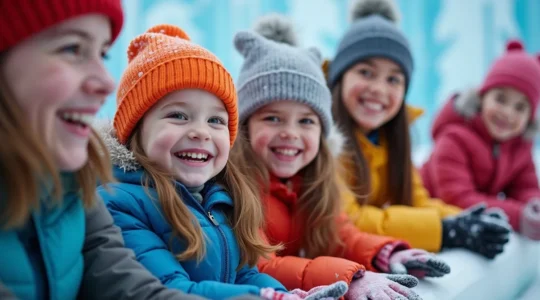
A Mom’s Survival Guide: How to Actually Enjoy the Quebec Winter Carnival with Kids
In summary: Success hinges on logistical mastery: strategic warmth, smart transport, and knowing when to retreat. Dress for -20°C with a multi-layer system, and always pack an emergency warm-up kit….
Read more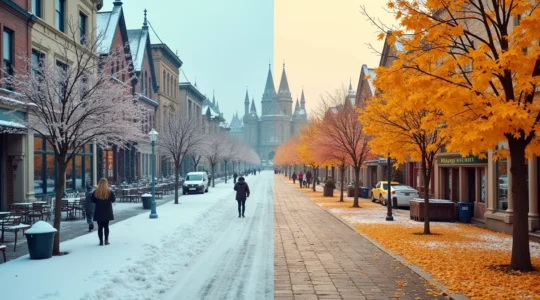
How Does Extreme Seasonality Shape the Quebec Lifestyle?
Contrary to popular belief, Quebec’s distinct lifestyle isn’t just a reaction to cold weather. It’s a complex psychological adaptation. This article reveals the concept of ‘compressive living’—the urgent need to…
Read more
What Legal Differences Between Quebec and Canada Surprise Tourists?
The biggest mistake American and Canadian tourists make in Quebec is assuming national laws apply uniformly; they don’t. Quebec operates under a Civil Code, unlike the Common Law system in…
Read more
How to Connect with Locals in Rural Quebec Despite the Language Barrier?
You might think mastering French is the key to connecting with locals in rural Quebec, but that’s not the whole story. The real secret lies in understanding and participating in…
Read more