
The secret to enjoying a sugar shack feast isn’t eating less; it’s eating smarter by strategically sequencing your meal to manage the metabolic load.
- Start with protein-rich dishes like ham and eggs to stabilize blood sugar before the sugar and fat arrive.
- Use high-acidity beverages like certain wines or ciders to cut through the richness and aid digestion.
Recommendation: Treat the meal as a delicious marathon, not a sprint. Focus on savouring small, strategic bites of each traditional dish rather than attempting to clean every plate.
The scent of boiling maple sap, the sound of traditional folk music, the sight of a table groaning under the weight of tourtière, ham, and beans—a trip to a Quebec sugar shack is a rite of spring. For visitors, however, this beloved tradition can be as daunting as it is delicious. The sheer volume of rich, salty, and sweet food can feel overwhelming, especially for those with smaller appetites or specific dietary needs. You’re faced with a caloric onslaught that can leave you feeling more sluggish than satisfied.
Most advice boils down to a simple, unhelpful platitude: “pace yourself.” But when faced with an all-you-can-eat feast, what does that even mean? The real challenge isn’t just about quantity; it’s about the unique combination of fat, salt, and sugar that defines the meal. But what if the secret to survival wasn’t about willpower, but about strategy? As a dietician who loves this tradition, I can tell you it is. By understanding the nutritional impact of each course, you can navigate the meal like a pro, avoiding the dreaded food coma and indigestion.
This guide offers a strategic, science-backed approach to the cabane à sucre experience. We’ll move beyond generic tips to provide a clear action plan for every stage of the meal, from booking the best table for your small group to choosing the right wine and deciding when to take that iconic sleigh ride. You can fully embrace this quintessential Quebecois tradition and leave with nothing but sweet memories.
To help you navigate this culinary adventure, we’ve broken down the essential strategies into clear, manageable sections. This structured approach will guide you through the logistics, the food, and the traditions, ensuring you have the best possible experience.
Summary: Your Strategic Guide to the Quebec Sugar Shack Experience
- Why You Need a Group of 10 to Get the Best Tables?
- Vegetarian at the Sugar Shack: Is It Even Possible?
- Apportez Votre Vin: What Kind of Wine Pairs with Ham and Eggs?
- The “Oreille de Christ” Effect: How to Handle the Salt and Fat?
- Horse Sleigh Before or After Eating: What Is the Best Strategy?
- Game Meat or Pork: What Makes a Traditional Tourtière?
- SAQ vs. Dépanneur: Where to Buy the Right Alcohol at the Right Price?
- Tourtière du Lac vs. Pâté à la Viande: What Is the Real Difference?
Why You Need a Group of 10 to Get the Best Tables?
The first logistical hurdle for many visitors is the booking process. You may notice many sugar shacks, especially the most traditional ones, have a preference for large groups. This isn’t arbitrary; it’s rooted in the family-style service that defines the experience. Platters are meant to be shared, and a full table of ten ensures an efficient and festive atmosphere. For smaller groups or couples, this can mean being seated at communal tables or facing limited availability, particularly on prime weekends. This is a key part of an industry that stems from a province where, according to Tourism Montreal data, 78% of the world’s maple syrup production takes place.
However, a small party doesn’t mean you’re destined for a bad spot. It just requires a bit of strategy. The key is flexibility. Weekday bookings (Monday through Thursday) are far easier to secure for smaller groups. If your schedule is tight, consider visiting at the very beginning of the season in early March or towards the end in late April, when demand is lower. Don’t rely solely on online booking systems; many traditional establishments still prioritize phone reservations. Calling directly can open up options that aren’t visible online. For those determined to go on a weekend, planning is everything—start looking for reservations as early as January.
Finally, consider joining local social media groups where people often post looking for others to form a larger group, turning a logistical challenge into a social opportunity.
Vegetarian at the Sugar Shack: Is It Even Possible?
A common fear for plant-based eaters is that a trip to the sugar shack will involve little more than a side of potatoes and a sad-looking pancake. Historically, this wasn’t far from the truth, with meals being heavily centered on pork. However, the landscape has changed dramatically. Many sugar shacks now recognize the need for diverse dietary options and offer full vegetarian menus that are just as hearty and traditional as the standard fare. The key is to do your research and communicate your needs clearly when booking.
Progressive establishments have innovated their menus to capture the spirit of the feast without the meat. You can now find delicious vegetarian versions of classics like cretons (pork spread), fèves au lard (beans without the pork fat), and tourtière. According to Bonjour Québec, some spots like Érablière Shefford offer creative dishes such as scrambled tofu with maple syrup and legume meatball ragouts, ensuring vegetarians get a complete and satisfying experience. It’s crucial to ask specifically what the vegetarian option includes when you book, as some places may charge the same price for a meal with fewer items.
Your Vegetarian Survival Phrasebook: Key Questions to Ask
- Ask: ‘Avez-vous une option végétarienne?’ (Do you have a vegetarian option?)
- Verify: ‘Est-ce que vos fèves au lard sont faites avec ou sans lard?’ (Are your baked beans made with or without pork fat?)
- Specify: ‘Je suis végétarien(ne)’ (I am a vegetarian) when making the reservation.
- Request: ‘Menu sans viande, s’il vous plaît’ (Meatless menu, please) upon arrival.
- Confirm: Ask about the price, as vegetarian meals are often the same cost as the traditional ones.
This proactive approach ensures you won’t be left with just a plate of pickles and bread, but a full, flavourful, and authentic meal.
Apportez Votre Vin: What Kind of Wine Pairs with Ham and Eggs?
One of Quebec’s charming quirks is the “Apportez Votre Vin” (Bring Your Own Wine) culture, which extends to many sugar shacks. This presents a delicious opportunity but also a significant challenge: what on earth pairs well with a meal dominated by maple syrup, salt, and fat? Pouring a big, oaky Cabernet Sauvignon alongside maple-glazed ham can result in a cloying, unbalanced experience. The secret, from a dietician’s and a sommelier’s perspective, is to use your beverage as a strategic tool to cut through the richness of the meal.
This means seeking out wines with high acidity. A crisp, dry white wine or a sparkling variety acts like a palate cleanser, refreshing your mouth between bites of fatty sausage or salty ham. In an experiment for the SAQ, sommelier Marie-Hélène Boisvert found that high-acidity whites and bourbon barrel-aged reds are excellent complements. A Quebec-produced sparkling PetNat, for example, pairs beautifully with the traditional pea soup. For reds, a lighter-bodied wine aged in bourbon barrels can pick up on the smoky, caramelized notes of the ham without adding excessive sweetness.
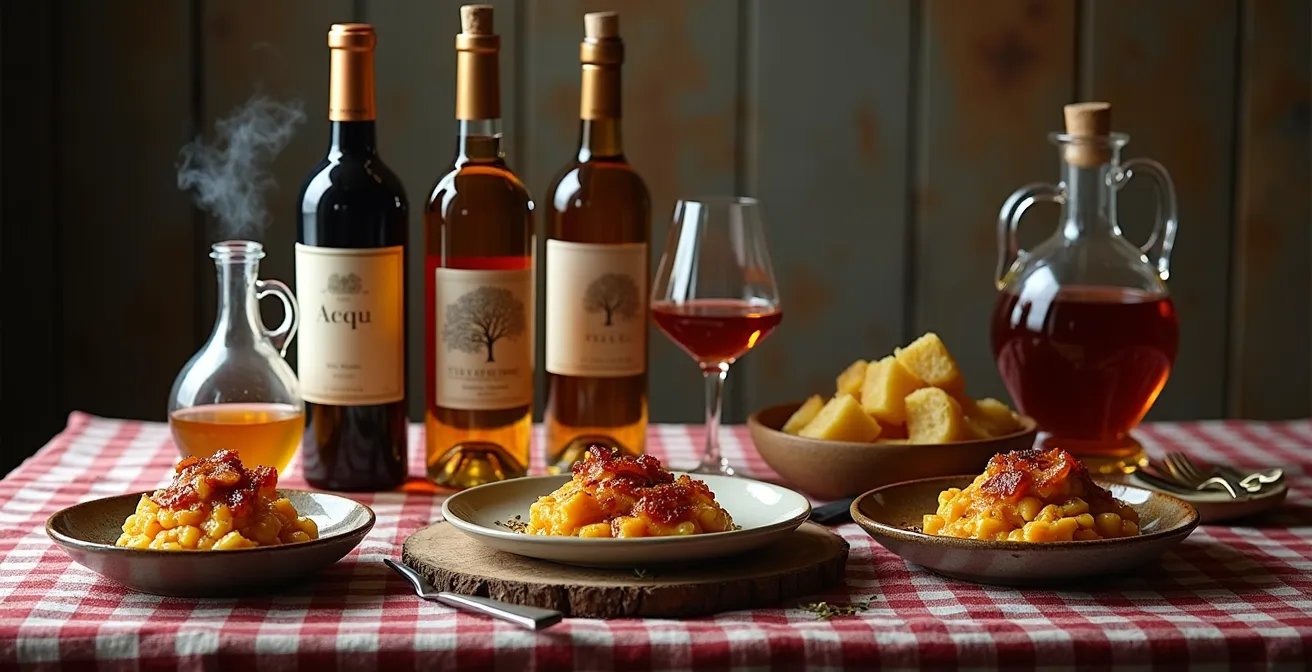
As the image suggests, the interplay between the beverage and the food is key. Beyond wine, consider Quebec’s excellent sparkling ciders. Their natural effervescence and apple acidity are a perfect match for the entire meal. Dark beers with notes of caramel and coffee can also work well, complementing the maple without competing with it. The goal is balance—your drink should be a refreshing counterpoint, not another layer of richness.
Choosing the right beverage transforms it from a simple drink into an essential digestive aid that enhances every dish on the table.
The “Oreille de Christ” Effect: How to Handle the Salt and Fat?
The “Oreille de Christ” (Christ’s ear) is perhaps the most potent symbol of the sugar shack’s caloric intensity. These crispy, deep-fried strips of pork belly are pure salt and fat—delicious in moderation, but a digestive disaster if over-consumed. They represent the central challenge of the meal: managing an extreme metabolic load. From a dietician’s viewpoint, the strategy isn’t avoidance, but careful management through nutrient sequencing and mindful consumption. As Tourism Montreal aptly puts it in their guide:
This is a marathon not a sprint, so eat small quantities of each dish and don’t fill up on bread
– Tourism Montreal, Sugar shack 101 guide
This “marathon” approach requires a clear plan. Start your meal with protein-heavy items like the maple-baked ham and scrambled eggs. Protein digests more slowly and helps stabilize your blood sugar, providing a solid base before the onslaught of simpler carbs and fats. Treat maple syrup as a condiment to be drizzled for flavour, not a sauce to be poured. The same goes for the oreilles de Christ; instead of eating them whole, crumble one over your beans or eggs as a crispy garnish. This way, you get the flavour and texture without the overwhelming dose of fat.
Strategic hydration is also critical. Drink a full glass of water before you begin eating to pre-hydrate and help your body process the high sodium content of the meal. Alternate sips of water with any alcoholic beverages you’re enjoying. After the main course and before dessert, a cup of black coffee or mint tea can act as a digestive aid, helping to settle your stomach before the final sweet act: the maple taffy on snow.
By treating the meal with this level of strategy, you can sample everything without succumbing to the “Oreille de Christ” effect.
Horse Sleigh Before or After Eating: What Is the Best Strategy?
The horse-drawn sleigh ride through the maple forest is an iconic part of the sugar shack experience, but a tactical question often arises: is it better to go before or after the feast? While there’s no single “correct” answer, tradition and digestive science both point towards a clear preference. Most sugar shacks operate their rides on a continuous loop, allowing visitors to hop on when they please. The overwhelming tradition in Quebec is to enjoy the sleigh ride after the meal, and for good reason.
A gentle sleigh ride post-meal serves as a pleasant and effective digestive aid. The mild movement, combined with the fresh, crisp air, helps combat the lethargy that can set in after such a heavy meal. It encourages light activity without being strenuous, preventing you from immediately slumping into a food coma. Furthermore, other quintessential outdoor activities, like rolling maple taffy on snow (“tire d’érable”), are typically enjoyed after the main meal. Timing your sleigh ride for afterward allows you to transition seamlessly from the table to the full range of outdoor experiences.
To make the best decision for your group, consider the following comparison based on insights from industry experts like Destination Canada Business Events:
| Timing | Pros | Cons | Best For |
|---|---|---|---|
| Before Meal | Build appetite, enjoy scenery while alert | Cold and hungry, may rush experience | Morning bookings with good weather |
| After Meal | Aids digestion, natural activity conclusion, warmer afternoon sun | May feel too full initially, less alertness | Traditional experience, families, afternoon seatings |
Ultimately, while a pre-meal ride can be a lovely way to build an appetite, the post-meal ride aligns better with the traditional flow and provides tangible digestive benefits, making it the superior strategic choice.
Game Meat or Pork: What Makes a Traditional Tourtière?
Tourtière is a cornerstone of Quebecois cuisine and a staple at the sugar shack. However, the term itself can be confusing, as it refers to different dishes depending on the region and context. The tourtière you’ll most often find at a cabane à sucre is a savoury pie made with finely ground pork, sometimes mixed with veal or beef, and seasoned with warm spices like cinnamon and cloves. It has a firm texture that allows it to be sliced cleanly, much like a standard meat pie.
This is distinct from the legendary Tourtière du Lac-Saint-Jean, which is a culinary event in itself. This regional specialty is a deep-dish pie made with a thick, lard-based crust that is slow-cooked for hours. Its filling consists of cubed meats—often including game like moose or hare, alongside pork and beef—and potatoes. The result is less of a sliceable pie and more of a rich, dense stew encased in pastry. While the sugar shack tourtière is an everyday comfort food, the Lac-Saint-Jean version is typically reserved for major holidays and celebrations due to its laborious preparation.
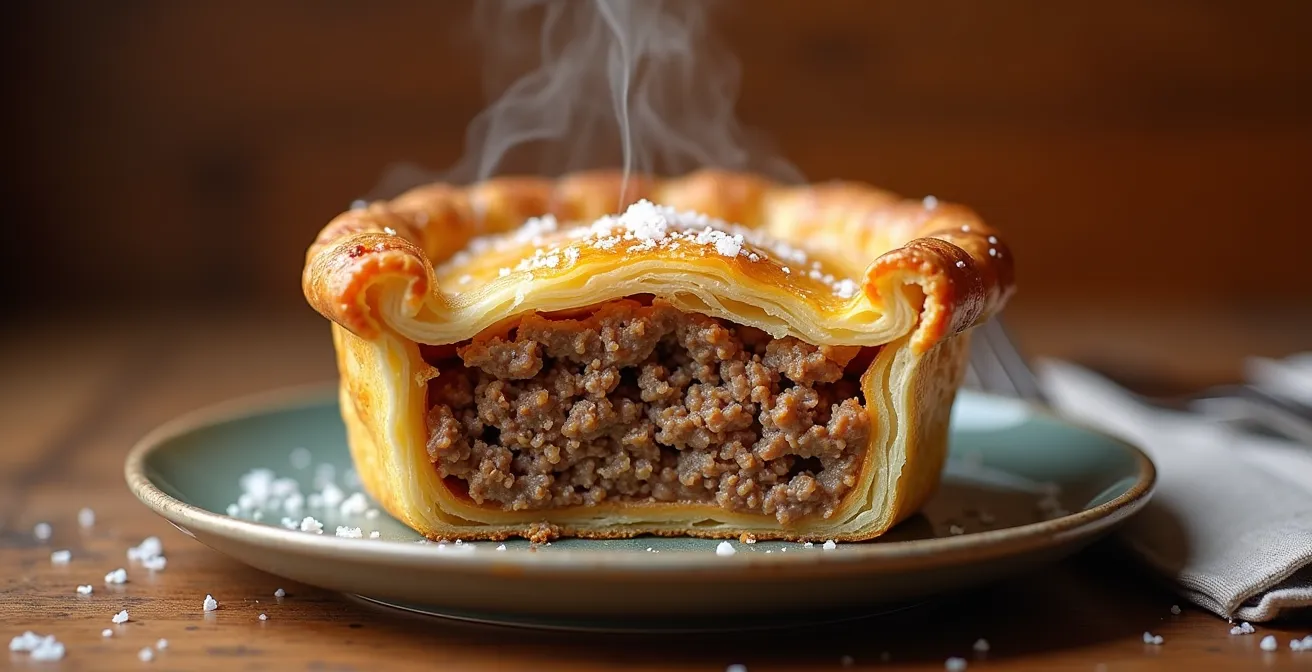
The following table breaks down the key differences, helping you identify which version you’re enjoying. This distinction is a point of pride and a frequent topic of conversation in Quebec, making it a great piece of cultural knowledge for any visitor.
| Characteristic | Traditional Tourtière (Sugar Shack) | Tourtière du Lac-Saint-Jean |
|---|---|---|
| Meat | Ground pork, sometimes beef | Cubed game meat, veal, pork |
| Texture | Firm, sliceable | Stew-like inside pastry |
| Crust | Standard pie crust | Thick, baked for hours |
| Spices | Cinnamon, clove, allspice | Thyme, savory, bay leaves |
| Occasion | Everyday meal, sugar shacks | Major holidays, special events |
| Region | Province-wide | Saguenay-Lac-Saint-Jean specific |
So, when you see “tourtière” on a sugar shack menu, you can be confident you’re getting the classic ground pork version—a delicious and essential part of the feast.
SAQ vs. Dépanneur: Where to Buy the Right Alcohol at the Right Price?
If you’re visiting a sugar shack with an “Apportez Votre Vin” (BYOB) license, you’ll need to navigate Quebec’s unique alcohol retail system. Unlike many other places, you can’t just buy wine at any corner store. The sale of wine and spirits is controlled by a government monopoly, the Société des alcools du Québec (SAQ). Beer and cider, however, are more widely available at grocery stores and local convenience stores, known as dépanneurs. Understanding this distinction is the first step in your purchasing strategy.
For wine and spirits, the SAQ is your only option. Prices are fixed across the province, so there’s no need to shop around for a better deal. For the best advice, visit an “SAQ Sélection” store, where staff are more knowledgeable and can offer specific pairing recommendations for your sugar shack meal. It’s wise to make your purchase the day before your visit, as SAQ stores can have limited hours, especially in rural areas. For beer and cider, you have more flexibility. While dépanneurs offer convenience, you’ll often find the best selection and value for artisanal ciders by visiting a cidery directly, especially if you’re travelling through the Eastern Townships, a major cider-producing region.
Here is a straightforward strategy for buying your alcohol in Quebec:
- Wine and spirits: Must be purchased from an SAQ store. No exceptions.
- Expert advice: Visit an “SAQ Sélection” location for knowledgeable staff who can help with pairings.
- Beer and cider: Widely available at dépanneurs and grocery stores.
- Best value cider: Consider buying directly from a producer if your route permits.
- Budget wines: Check the “cellier” or clearance section at the SAQ for good deals.
With this knowledge, you can confidently arrive at the sugar shack with the perfect beverage in hand, ready to tackle the feast.
Key Takeaways
- Nutrient Sequencing is Key: Always start your meal with protein-rich items like ham and eggs to build a digestive base and stabilize blood sugar.
- Hydrate Strategically: Use water to manage high salt intake and choose high-acidity beverages like dry cider or certain white wines to cut through the richness of the food.
- Garnish, Don’t Gorge: Treat high-fat items like “oreilles de Christ” and maple syrup as flavourful condiments to be used sparingly, not as main components of your plate.
Tourtière du Lac vs. Pâté à la Viande: What Is the Real Difference?
One of the most common points of confusion for visitors—and even some locals—is the terminology surrounding Quebec’s famous meat pies. While many sugar shack menus list “tourtière,” what they almost always serve is technically known as pâté à la viande (meat pâté). This is the classic ground pork pie, seasoned with cinnamon and clove, that is a staple across the province. The use of the word “tourtière” on menus is often a simplification for tourists who are more familiar with the famous term.
This distinction is more than just semantics; it’s a matter of regional identity. As the experts at Urban Guide Quebec note, the two are fundamentally different dishes. This is a crucial piece of “insider” knowledge that deepens one’s appreciation of the local food culture.
For many Québécois, ‘Tourtière’ is the Lac-Saint-Jean version. The more common pie is called ‘Pâté à la viande’
– Urban Guide Quebec, Cabanes à Sucre: A Guide to Quebec Sugar Shacks
The easiest way to tell the difference is by texture and serving style. Pâté à la viande is firm, holds its shape, and can be served in a neat slice. It’s traditionally accompanied by “ketchup maison,” a sweet-and-sour fruit ketchup. Tourtière du Lac-Saint-Jean, on the other hand, is a deep-dish, stew-like creation with cubed meat and potatoes that must be scooped out with a spoon. Knowing this difference allows you to manage your expectations and appreciate the delicious pâté à la viande for what it is: the true, traditional meat pie of the sugar shack.
Now equipped with this strategic plan and cultural knowledge, you’re ready to tackle the sugar shack experience, enjoy every traditional bite without regret, and truly eat like a seasoned Québécois.
Frequently Asked Questions About Quebec Meat Pies
What do sugar shacks actually serve when they list ‘tourtière’?
Sugar shacks almost always serve pâté à la viande (ground meat pie), not the famous Tourtière du Lac-Saint-Jean. Menus often use ‘tourtière’ for tourists, but it’s the simpler version.
How can I tell the difference between the two pies?
Pâté à la viande is firm and sliceable with ground meat, while Tourtière du Lac is stew-like with cubed meats and potatoes inside a thick crust, requiring a fork to eat.
What condiment traditionally accompanies the sugar shack meat pie?
Ketchup maison (homemade fruit ketchup) – a sweet condiment made from fruits like tomatoes, plums, onions, or pears – traditionally accompanies pâté à la viande.