
A luxury family ski vacation at Tremblant for under $10,000 isn’t about skipping the fun; it’s about sidestepping the tourist price tags by spending smarter.
- Major costs like lift tickets and on-mountain food can be cut by 30-50% using local Québec retail hacks and smart meal prep strategies.
- Logistical wins, like booking ski lessons before lodging and understanding Québec’s tax system, are critical to eliminating surprise costs and stress.
Recommendation: Focus on “value stacking”—combining several small, savvy choices—to build a budget that covers the premium experiences your family actually wants, not the inflated default prices.
You’ve seen the pictures: a vibrant, European-style village nestled at the foot of a majestic peak, families laughing on the slopes, mugs of hot chocolate steaming in the crisp winter air. Mont-Tremblant promises a magical family ski vacation. Then you start planning, and the sticker shock hits. Between lift tickets, lodging, lessons, and simply feeding everyone, the costs can spiral into five figures faster than a downhill racer. Many guides will offer the usual advice: “book in advance,” “stay off-resort,” or “pack some granola bars.” While not wrong, this advice barely scratches the surface and often means compromising on the premium experience you were hoping for.
But what if the secret wasn’t about spending less, but about spending smarter? What if you could unlock the “insider’s version” of Tremblant, enjoying the best the resort has to offer without paying the full tourist premium? The key lies in understanding the local ecosystem—the specific deals, logistical traps, and even the tax rules that most visitors overlook. This isn’t about being cheap; it’s about being savvy. It’s about knowing where to find hidden value so you can afford the splurges that truly matter to your family.
This guide is your inside track. We’ll move beyond the generic tips to give you a concrete, step-by-step playbook. We’ll break down the real costs, reveal the local hacks for significant savings, and show you how to structure your trip to maximize both fun and funds, ensuring your family comes home with incredible memories, not a mountain of debt.
Ready to plan a trip that feels like a splurge but fits in your budget? This article breaks down the essential strategies, from securing the best ticket prices to mastering the art of on-mountain dining without breaking the bank. Explore the sections below to build your family’s perfect Tremblant adventure.
Summary: The Savvy Parent’s Playbook for a Tremblant Ski Vacation
- Costco or Online Presale: Where to Find the Cheapest Lift Tickets?
- Why You Must Book Ski Lessons Before Booking Your Hotel?
- Brown Bag vs. Cafeteria: How to Feed a Family of 4 for Under $50?
- What to Do at the Resort If You Don’t Ski?
- Shuttle vs. Rental Car: Which Is Less Stressful with Ski Gear?
- How to Calculate the Real Cost of Items with TPS and TVQ?
- Is the Carnival Effigy Pass Worth the Cost for a Day Trip?
- How to Hike Mont-Tremblant’s Peaks Without Injuring Your Knees?
Costco or Online Presale: Where to Find the Cheapest Lift Tickets?
Let’s tackle the biggest budget-killer first: lift tickets. Paying the walk-up window price at Tremblant is the fastest way to blow your budget. The resort’s official site encourages booking online in advance, which can save you up to 25%, but the real “insider” deals are found elsewhere. The secret weapon for many Québec and Ottawa families is Costco. Savvy shoppers have reported finding multi-day passes that bring the cost down significantly. For instance, forum discussions indicate deals as low as $67/day, a steep discount from the regular $80+ price, and these often include valuable meal vouchers.
This requires a bit of planning, as you’ll need to visit a physical Costco warehouse in the Québec or Ottawa region, but the savings for a family of four can easily add up to hundreds of dollars over a few days. This is a perfect example of “value stacking”—combining a ticket discount with a food credit. If you don’t have a Costco membership, don’t despair. There are other avenues for finding deep discounts beyond the standard online presale:
- University Alumni Deals: Check programs like SKIMAX. Often, these programs offer corporate-level discounts to alumni associations, and verification of your alumni status is not always required.
- Flash Sales: Keep an eye out for Tremblant’s official flash sales. Historically, they’ve run promotions in late January offering 30% off transferable tickets, which is a fantastic and flexible option.
- Early Booking: If all else fails, the “book online early” rule still applies. The key is to commit as soon as you know your dates, as the discounts decrease and quantities are limited as the date approaches.
Ultimately, your lift ticket price is not fixed. With a little bit of strategic hunting, you can cut this major expense by a significant margin, freeing up cash for other parts of your vacation.
Why You Must Book Ski Lessons Before Booking Your Hotel?
Here’s a piece of logistical arbitrage that can make or break your trip, especially with young children or beginners: ski lessons at Tremblant’s renowned Snow School sell out. They sell out fast, and they sell out far in advance. Many families make the mistake of booking their flights and ski-in/ski-out condo first, only to discover that no group or private lessons are available for their dates. This leaves them with either no instruction for their kids or the much pricier option of scrambling for an independent instructor, if any are even available.
The demand is incredibly high, particularly during peak periods. As an example, booking patterns for all-inclusive resorts in the area show that prime weeks for families—Christmas, New Year’s, and school breaks in February—are the first to go, and this high demand extends directly to ski school slots. The resort prioritizes multi-day lesson packages, so single-day spots are even rarer. To avoid this heartbreaking scenario, you must reverse the conventional booking order. Your first step after picking your dates should be to check ski lesson availability on the official Tremblant website.
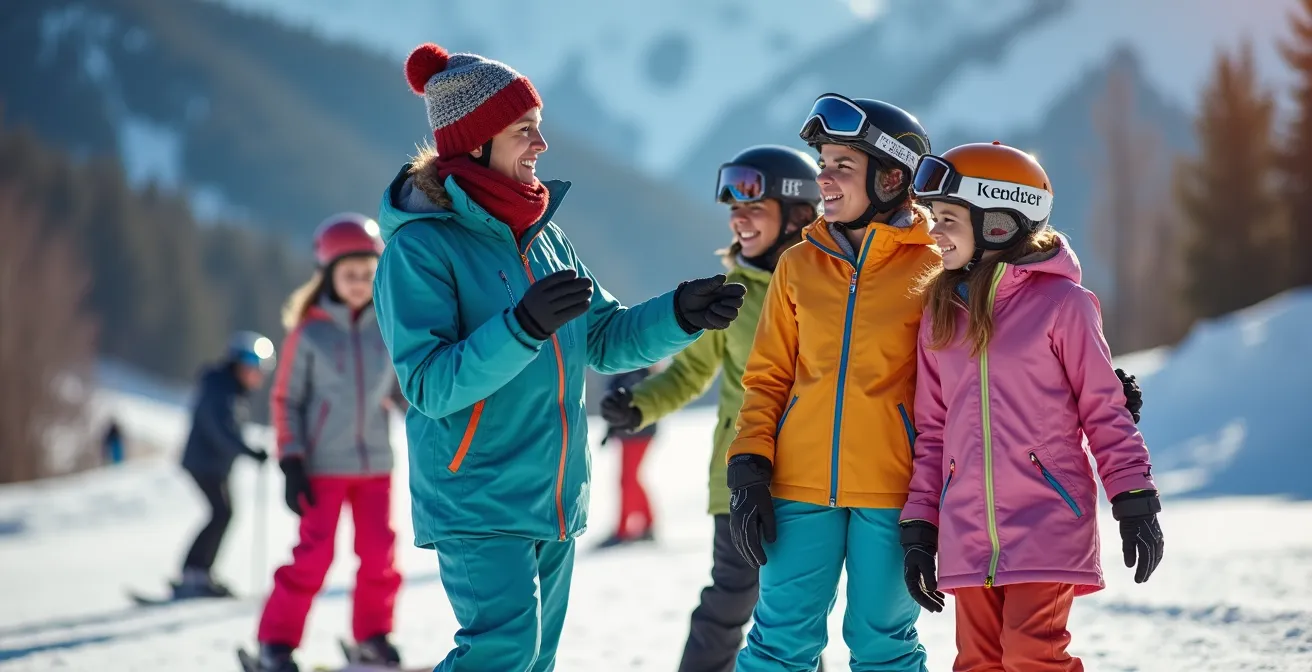
Book and pay for your lessons the moment they become available. Only once you have that confirmation in hand should you proceed to book your accommodation and travel. This might seem counterintuitive, but it ensures the core activity of your ski trip—learning to ski—is secured. This simple shift in your planning sequence eliminates a massive potential stressor and guarantees your kids will have the fun, professional experience they deserve, making the entire trip a success.
Brown Bag vs. Cafeteria: How to Feed a Family of 4 for Under $50?
After lift tickets, your second-largest daily expense will be food. The convenience of on-mountain cafeterias like Le Grand Manitou is tempting, but it comes at a steep price. With visitor reports showing soups and chilis costing $8-12 each, a simple lunch for a family of four can easily top $60-80. Do that for a few days, and your food budget is blown. The classic frugal tip is to “brown bag it,” and while it’s the cheapest option, it can feel like a chore on vacation. The “smarter spending” approach is to find a happy medium that balances cost, convenience, and comfort.
The key is a hybrid strategy. Instead of packing four full cold sandwiches every morning, pack high-energy, easy-to-carry snacks like granola bars, fruit, and trail mix to handle mid-morning and mid-afternoon hunger. Then, for lunch, buy just one or two hot items to share, like a large poutine or a bowl of chili, and supplement with your packed goods. This gives you the comfort of a hot meal without the cost of four full trays. Many lodges have lockers where you can stash your bag for a small fee, or you can simply use a backpack. This approach allows a family of four to eat a satisfying lunch for well under $50. A detailed cost analysis shows just how different the approaches can be.
This comparison from a local lodging blog highlights the financial impact of your daily food choices.
| Option | Cost/Day | Pros | Cons |
|---|---|---|---|
| Full Cafeteria | $120-160 | Hot meals, no prep, convenience | Most expensive option |
| Brown Bag Only | $30-40 | Cheapest, customizable | Requires morning prep, cold options |
| Hybrid Approach | $50-70 | Balance of cost and convenience | Still requires some prep |
| Condo Cooking | $40-50 | Hot meals, family time | Must return to lodging |
If you’re staying in a condo with a kitchen, taking an hour-long lunch break to ski back for a hot meal of pasta or soup is another excellent strategy. It provides a welcome rest and is significantly cheaper than eating on the mountain. The choice depends on your lodging location and your family’s preferred pace.
What to Do at the Resort If You Don’t Ski?
A successful family trip means keeping everyone happy, including those who aren’t interested in spending all day on the slopes. Fortunately, Tremblant is much more than just a ski hill; it’s a comprehensive resort with a wide range of activities for non-skiers. Many of these experiences, however, come with their own hefty price tags. The secret is to mix a few paid “anchor” activities with the many free and low-cost options available right in the pedestrian village and surrounding area.
For example, while the indoor water park (Brind’O Aquaclub) and laser tag are popular paid options for kids, you can create a full day of fun without spending much at all. The goal is to experience the mountain atmosphere, not just transact within it. Some of the best memories come from simple, shared moments in the beautiful winter setting. Here are some fantastic activities that are either free or very budget-friendly:
- Ride the Cabriolet: This open-air gondola connects the lower and upper parts of the pedestrian village. It’s completely free to ride and offers stunning panoramic views of the village and the mountain base. Kids love it, and it’s a great way to get your bearings.
- Go Ice Skating: The outdoor rink near the Saint-Bernard Chapel offers a quintessential Canadian winter experience. Skating is often free if you bring your own skates, with rentals available for a reasonable fee.
- Explore the Village: Tremblant’s colourful, European-style village is an attraction in itself. Window shopping, people-watching, and soaking in the festive atmosphere costs nothing. Be sure to grab a classic Québec treat like a BeaverTail (Queue de Castor) pastry—a delicious and relatively inexpensive indulgence.
- Visit the Sentier des Cimes: A short drive from the resort, this treetop walk offers breathtaking, accessible winter views. While there’s an entrance fee, it’s a unique half-day activity that provides a different perspective on the Laurentian landscape.
By strategically combining one paid activity with these free options, you can provide a rich and varied experience for non-skiers without adding another major expense to your trip.
Shuttle vs. Rental Car: Which Is Less Stressful with Ski Gear?
Getting to and around Tremblant with a family and a mountain of gear presents a classic travel dilemma: rent a car or rely on shuttles? The answer depends on where you’re staying and your tolerance for logistics. A rental car offers flexibility, but it comes with the costs of rental fees, gas, potentially expensive resort parking, and the stress of driving in winter conditions if you’re not used to it. For many, the added hassle outweighs the convenience.
If you’re staying within the main resort area or in a location serviced by the municipal bus line, forgoing a rental car is often the less stressful and more cost-effective choice. Airport shuttles from Montréal-Trudeau International Airport (YUL) can be booked in advance and will drop you right at your hotel. Once at the resort, the entire pedestrian village is walkable, and a free shuttle service connects the different lodging areas to the base of the gondola. This system is designed to make cars unnecessary for guests staying on-site.
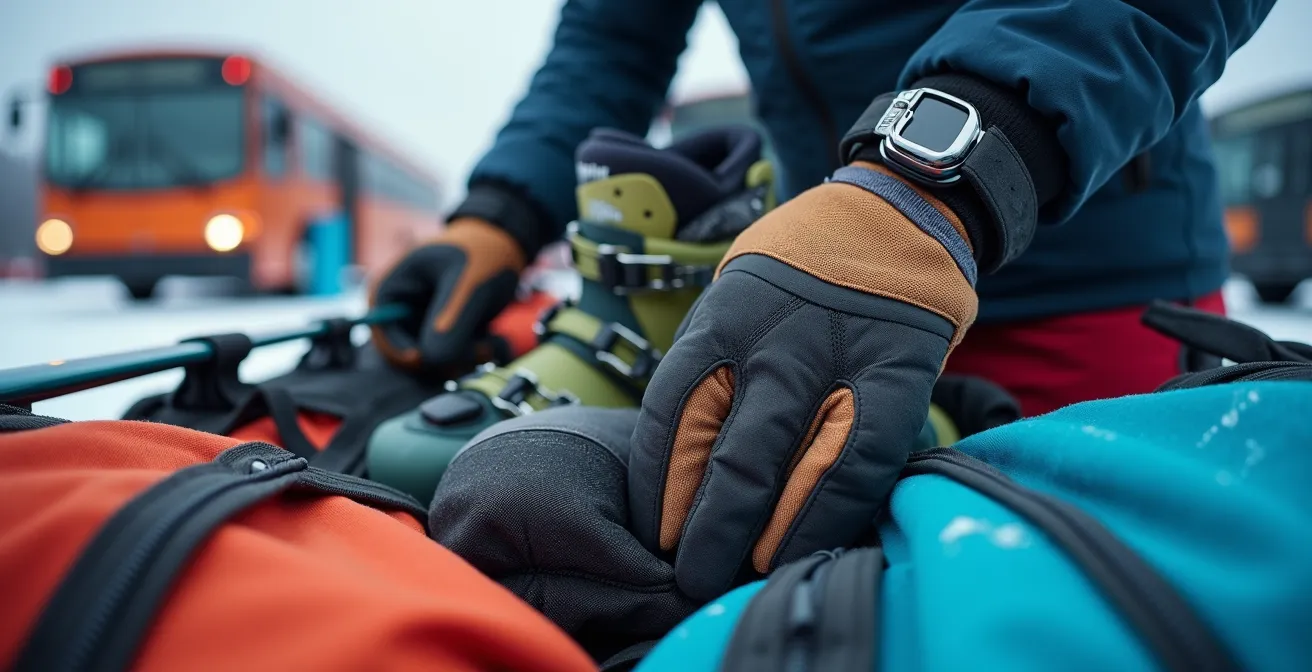
The real question is managing the gear. Hauling skis, poles, boots, and bags for four people onto a bus can seem daunting. However, it’s a dance you only have to do a few times—from the airport shuttle to your hotel, and then from your hotel to the slopes if you’re not ski-in/ski-out. Compare this to the daily routine of a rental car: loading the car, clearing snow, navigating icy parking lots, unloading, and then repeating it all in reverse when everyone is tired. For many families, the shuttle, while briefly cumbersome, simplifies the overall vacation by removing the burdens of driving and parking.
How to Calculate the Real Cost of Items with TPS and TVQ?
Welcome to Québec, where the price on the menu or tag is never the price you actually pay. For visitors, this can be a major source of budget-busting surprises. Unlike some regions where taxes are included, Québec has two separate taxes that are added at the register: the federal Goods and Services Tax (GST, or TPS in French) and the provincial Québec Sales Tax (QST, or TVQ in French). Understanding this is not just a trivia point; it’s a critical budgeting skill for your trip.
On most goods and services, including restaurant meals and souvenirs, Québec’s tax structure adds a combined 14.975% to the listed price. Forgetting this “tax blind spot” can throw your daily budget off significantly. That $80 family dinner is actually closer to $92 before you even think about the tip. A good rule of thumb is to multiply any listed price by 1.15 for a quick estimate of the final cost. But it gets more complex. Tipping etiquette in Québec is to calculate the 15-20% tip on the *pre-tax* amount. The result is that a restaurant meal will ultimately cost you about 30-35% more than the menu price.
There are some exceptions that can work in your favor. Basic groceries, for example, are generally tax-free. This makes cooking a few meals in your condo even more financially attractive. However, be aware of quirky rules: prepared foods, like a hot chicken from the grocery store, are taxed. Bizarrely, even the quantity can matter—a purchase of five donuts or fewer is taxed, but a box of six or more is considered a basic grocery and is tax-free! While you don’t need to be a tax expert, simply being aware that nearly everything you buy will cost about 15% more is essential for an accurate budget.
Is the Carnival Effigy Pass Worth the Cost for a Day Trip?
This question pops up occasionally, and it’s a perfect example of a common geographical confusion that can trip up visitors. First, a crucial clarification: the Québec Winter Carnival and its Effigy Pass are for an event in Québec City, which is about a three-hour drive from Mont-Tremblant. It’s a fantastic event, but the pass has absolutely no use or value at the Tremblant resort. This is a critical distinction for families trying to find value passes for their vacation.
So, if the Carnival Effigy isn’t the answer, what is the equivalent “value pass” for Tremblant? The answer lies not in a single, all-encompassing pass, but in watching for specific, time-sensitive promotions offered directly by the resort. Tremblant frequently runs special deals that provide immense value, but they require you to be vigilant. For example, during its first edition in December 2024, a “Kids Ski Free Week” initiative was launched. This promotion allowed children 12 and under to ski for free for an entire week and also offered 50% discounts on equipment rentals and group lessons at the Snow School.
This is the kind of high-value deal you should be looking for. It offers far more direct savings for a family ski trip than any unrelated event pass. To find these deals, you need to subscribe to Tremblant’s official newsletter and follow their social media channels in the months leading up to your trip. Other potential promotions include deals on spring skiing, lodging-and-lift-ticket bundles during off-peak weeks, or discounts on activity packages. The key takeaway is to ignore irrelevant regional passes and focus your attention on the promotions offered directly by the resort you are visiting.
Key Takeaways
- The biggest savings come from pre-planning major costs like lift tickets (via Costco/sales) and food (hybrid strategy).
- Booking logistics in the right order (ski lessons before lodging) is crucial to avoid stress and secure availability.
- Factor in an extra 30-35% for restaurant meals to account for Québec’s taxes (TPS/TVQ) and tip.
How to Hike Mont-Tremblant’s Peaks Without Injuring Your Knees?
While skiing is the main event, the stunning winter landscape of the Laurentians invites exploration on foot. Hiking to a summit for a panoramic view is a magical experience, but it comes with significant risks in winter, especially for your knees. The most common mistake visitors make is attempting to hike up and, more dangerously, walk down the active ski slopes. This is not only incredibly hazardous due to skiers, but it’s also explicitly forbidden.
As the resort’s own guidelines emphasize, safety is paramount. This advice is not to be taken lightly, as a slip on an icy, steep ski run can lead to serious injury.
Walking Down Active Ski Slopes is Prohibited and Dangerous
– Tremblant Safety Guidelines, Family Ski Trips Guide
So, how can you enjoy the beauty of the peaks safely? The answer is to use the designated, approved trails and the right equipment. The mountain offers a network of snowshoe and winter hiking trails that are separate from the ski runs. These trails are designed with safer gradients and are maintained for winter use. Attempting these trails in regular winter boots is a recipe for a fall and potential knee injury. The non-negotiable pieces of equipment are ice crampons (spikes that attach to your boots) and hiking poles for stability. These can be rented affordably at shops in the nearby town of Saint-Jovite. This small investment dramatically increases your safety and enjoyment.
Your Action Plan: Safe Winter Hiking at Tremblant
- Trail Selection: Identify approved winter hiking or snowshoe trails on the resort map, such as the “Grand Brûlé,” and completely avoid walking on ski slopes.
- Gear Rental: Before your hike, visit a rental shop in Saint-Jovite or the resort to rent essential ice crampons and hiking poles for grip and stability.
- Trail Network Awareness: Understand the difference between the managed resort trails and the more rugged, backcountry trails of the adjacent Parc national du Mont-Tremblant, which require more experience.
- Plan for Recovery: Treat your knees well after the hike by booking a relaxing session in the hot tubs at the Aquaclub La Source in the village.
- Check Conditions: Always check the daily trail conditions at the resort’s information desk before setting out, as ice and weather can change quickly.
Planning a dream family ski trip to Tremblant on a budget is not about sacrifice, but strategy. By using these insider hacks—from buying Costco tickets to packing a hybrid lunch and understanding the local tax system—you are taking control of your vacation budget. You are choosing to spend money on the experiences that matter, creating a trip that is both memorable and affordable.
Frequently Asked Questions About Planning a Tremblant Trip
How much should I add to menu prices for the real cost?
A good rule of thumb is to multiply restaurant menu prices by 1.15 to get a quick estimate that includes the 14.975% combined GST (TPS) and QST (TVQ). This will give you the pre-tip total.
Are groceries taxed in Quebec?
It depends. Basic groceries like milk, bread, and vegetables are tax-free. However, prepared foods, single-serving snacks, and even specific quantities of items are taxed. For instance, a box of six or more donuts is tax-free, but five or fewer are taxed.
What about tipping on top of taxes?
The standard practice in Québec is to add a 15-20% tip, but it should be calculated on the pre-tax amount of the bill. In total, expect a restaurant meal to cost approximately 30-35% more than the price you see on the menu.