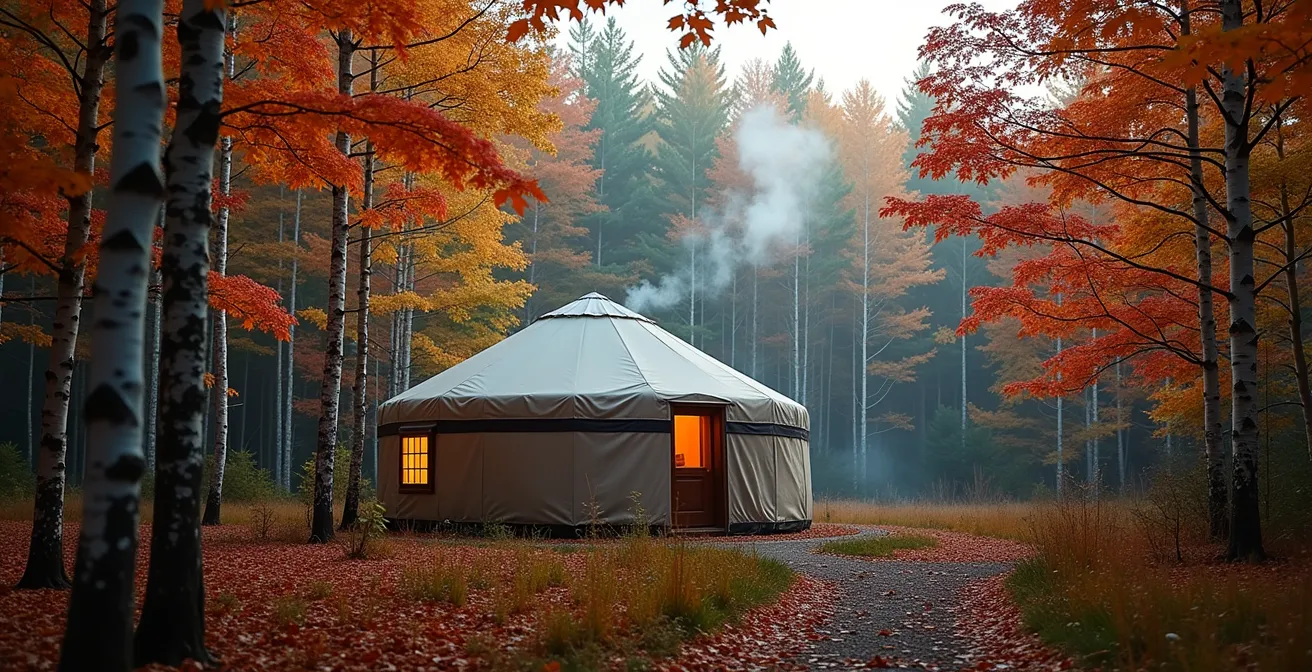
The secret to comfortable glamping in Quebec isn’t just reading reviews; it’s conducting a forensic analysis of the listing before you book.
- Heating and plumbing are non-negotiable; vague terms like “rustic” or “heated” demand specific questions about the system’s reliability in winter.
- Safety features, especially for waterfront properties, must be verified, and the property’s CITQ registration number is your first line of defense against scams.
Recommendation: Always verify the CITQ number on the official directory and ask for specifics on heating and bedding before paying a deposit. Truth in advertising is found in the details, not the marketing photos.
The allure of glamping in Quebec is powerful. You see the photos: a pristine yurt under the stars, a futuristic bubble dome nestled in the forest, a charming treehouse with a panoramic view. You imagine a unique escape that combines the thrill of nature with the comforts of home. But a nagging fear creeps in, a question whispered by anyone who has ever shivered through a chilly night: “Will it *actually* be comfortable?” As a glamping inspector, I can tell you that this fear is justified. The gap between a stunning photo and a comfortable reality can be vast.
Most advice will tell you to “read the reviews” or “look at the amenities list.” This is surface-level advice. True comfort is hidden in the details that listings often obscure with vague language. Words like “rustic,” “charming,” or “eco-friendly” can be red flags for shivering nights and inconvenient bathroom trips. The key isn’t just to look; it’s to know *what* to look for. It’s about performing a bit of “listing forensics” to uncover the truth.
This guide abandons the generic advice. Instead, it hands you the inspector’s magnifying glass. We will move beyond the pretty pictures to decode the “Comfort Clues” hidden in plain sight. We will dissect the most critical aspects of a Quebec glamping stay—from the reliability of a wood stove in a -14°C October night to the real meaning of a “dry toilet” and the non-negotiable safety checks for a floating cabin with a toddler. This is your training manual for booking a unique stay that is genuinely, verifiably comfortable.
To ensure you make an informed decision, this article breaks down the key inspection points. The following summary outlines each critical area you need to investigate before committing to your next Quebec glamping adventure.
Summary: How to Find Genuinely Comfortable Glamping in Quebec
- Wood Stove or Electric: Will You Freeze in a Yurt in October?
- Dry Toilets vs. Running Water: What Does “Rustic” Really Mean?
- Why You Need to Book Treehouses 6 Months in Advance
- Sheets Included or Sleeping Bag Required: How to Read the Fine Print
- Are Floating Cabins Safe for Toddlers?
- Monastery Stays vs. Hotels: What Are the Rules for Guests?
- The Photo Mistake That Reveals a Fake Chalet Listing
- How to Rent a Chalet in Quebec Without Getting Scammed?
Wood Stove or Electric: Will You Freeze in a Yurt in October?
The number one concern for any Quebec glamper is warmth, especially during the shoulder seasons of fall and spring. A listing that simply says “heated” is not enough information. In a province where winter temperatures drop as low as -14°C (6°F), the type and reliability of the heating system are the first and most critical comfort clues you need to investigate. An electric baseboard heater might be sufficient in a well-insulated cabin, but it could struggle mightily in a large yurt with thin walls.
The gold standard, often seen in top-tier sites like SÉPAQ and Parks Canada’s “oTENTik” accommodations, is a dual-heating system. This typically combines reliable electric heat with a powerful wood stove for backup and robust warmth. When you see a wood stove, your inspection isn’t over. You need to ask if it’s designed for overnight burns and whether they supply quality hardwood, which burns longer and hotter than softwood. Is the system connected to Hydro-Québec, or is it off-grid and reliant on a generator? An off-grid setup demands questions about backup power.
Finally, ask about insulation. A host should be able to tell you about the R-value of the walls and floor. High R-values mean the structure retains heat effectively, making the heating system far more efficient. Without proper insulation, even the best heater is just fighting a losing battle against the cold Quebec air. A host who can’t answer these specific questions may not be prioritizing your thermal comfort.
Dry Toilets vs. Running Water: What Does “Rustic” Really Mean?
After warmth, the bathroom situation is the biggest factor separating “charming rustic” from “uncomfortable roughing it.” The word “rustic” in a listing is a signal to begin your “Rustic Reality-Check.” It can mean anything from a beautifully appointed modern bathroom with reclaimed wood to a traditional outdoor pit toilet—the infamous ‘bécosse’—that requires a flashlight and winter boots for a midnight trip. Understanding the exact setup is crucial for your comfort and hygiene.
Modern glamping has introduced excellent off-grid solutions. A modern composting unit, for example, is often located indoors, is completely odour-free, and offers a high level of comfort while being eco-friendly. This is a world away from a simple outhouse. On the other hand, systems relying on well water or gravity-fed tanks might offer running water, but the pressure could be low, and in winter, there’s a risk of pipes freezing if the system isn’t properly winterized.
This is where visual inspection of the listing’s photos becomes key. Look for clues. Do you see a modern toilet fixture, or are the bathroom photos suspiciously absent? As this comparative analysis of glamping facilities shows, the range of options is wide.
| Facility Type | Description | Comfort Level | Winter Consideration |
|---|---|---|---|
| Modern Composting Unit | Indoor, odour-free, eco-friendly | High | No midnight outdoor trips |
| Traditional ‘Bécosse’ (Outhouse) | Outdoor pit toilet | Basic | Requires winter gear for access |
| Well Water System | Running water from local well | Medium-High | May need testing for potability |
| Gravity-Fed System | Limited water pressure | Medium | Risk of freezing in winter |
Never assume. If the listing is unclear, send a direct message asking: “Is the toilet located inside the unit, and is it a flushing or composting model?” The answer will tell you everything you need to know about your late-night comfort.
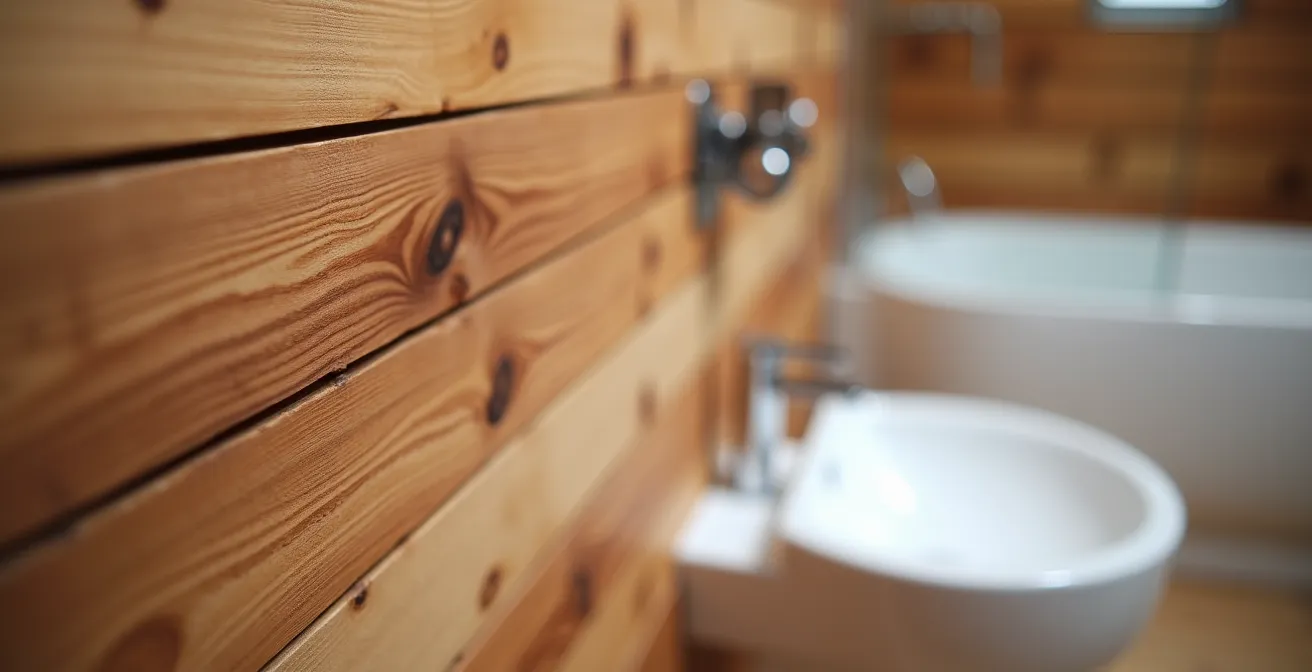
As you can see, the blend of rustic wood and modern fixtures is the ideal, showcasing that “eco-friendly” does not have to mean “uncomfortable.” The presence of clean, modern ceramics and brushed metal against natural textures is a strong comfort clue.
Why You Need to Book Treehouses 6 Months in Advance
The most unique and desirable glamping experiences in Quebec—especially treehouses, bubble domes, and waterfront cabins—are not spontaneous getaways. They are highly sought-after destinations with extremely limited inventory. As a result, the booking window is a critical logistical factor that many travelers underestimate. For popular sites during peak seasons like fall foliage or summer holidays, it’s not an exaggeration that 6 months of advance booking is often required.
This isn’t a marketing gimmick; it’s a simple matter of supply and demand. A well-known operator like Canopée Lit or Parc Aventures Cap Jaseux may only have a handful of treehouses. These get snapped up by savvy planners the moment the booking calendar opens. If you have specific dates in mind, especially a weekend, your planning must begin far in advance. Waiting until spring to book a summer weekend is often a recipe for disappointment.
However, if you’ve missed the boat, there are “inspector-level” tactics for snagging a last-minute opening. First, follow your target operators on social media and sign up for their newsletters or waitlists; this is where they’ll announce cancellations. Second, be flexible. Midweek stays are far easier to book than weekends. Finally, monitor the weather forecast. A forecast for a rainy weekend can trigger a wave of cancellations from less-adventurous guests, opening up prime spots for those willing to brave a little weather.
Sheets Included or Sleeping Bag Required: How to Read the Fine Print
You’ve secured the booking, you’ve confirmed the heating, and you know the bathroom situation. Now comes the detail that separates a seamless arrival from a frustrating one: bedding. Never assume that “ready-to-camp” (`prêt-à-camper`) means “hotel-ready.” In Quebec, especially at provincially-run sites, it often means the exact opposite. The structure is ready, but the comforts are your responsibility.
A prime example is the policy at many SÉPAQ and Parks Canada sites. Their “prêt-à-camper” formula provides the tent, beds, and heating, but explicitly excludes all bedding. This means you are required to bring your own sheets, pillows, blankets, and, most importantly, sleeping bags. Even in a heated yurt, they often recommend a sleeping bag rated for -10°C, as drafts and overnight temperature drops can still occur. This is a critical piece of information often buried in the fine print.
When scouring private listings on platforms like Airbnb, look for specific French terms. “Literie incluse” means bedding is included. “Literie en sus” means it’s available for an extra fee, which can significantly add to your total cost. If the listing says nothing at all about bedding, you must assume you need to bring everything. The same goes for towels; while more commonly included, it’s always worth asking. A simple question—”Do we need to bring our own sleeping bags and towels?”—before you book can save you from a cold night or an unexpected rental fee.
Are Floating Cabins Safe for Toddlers?
For families with young children, the definition of “comfort” expands to include “safety and peace of mind.” A floating cabin on a serene Quebec lake is a dream for many parents, but it can also be a source of anxiety. As an inspector, this is where my standards become most rigid. A beautiful view is worthless if the environment isn’t secure for its smallest guests. Verifying safety features is not just recommended; it’s mandatory.
Your first check has nothing to do with the cabin itself. It’s verifying that the operator has a valid CITQ (Corporation de l’industrie touristique du Québec) registration number. This is a baseline indicator that they are a legitimate business subject to provincial oversight. From there, your questions must get specific. Are the deck railings high enough? Are the gates, if any, self-latching and child-proof? Is access to the cabin via a stable, fixed dock or a wobbly floating pontoon?
Life jackets are another critical point. The operator should provide child-sized life jackets (known as a VFI, `vêtement de flottaison individuel`). Don’t just assume they will have the right size; confirm it. Finally, ask about the anchoring system. A well-anchored cabin will be stable, even during wind on a large lake, which is essential for preventing slips and falls. A host who welcomes families should be able to answer these questions with confidence and detail.
Your Pre-Booking Family Safety Checklist
- Verify the operator has a valid CITQ (Corporation de l’industrie touristique du Québec) registration number.
- Ask if deck gates are self-latching and child-proof.
- Confirm availability of child-sized life jackets (VFI – vêtement de flottaison individuel).
- Inquire about the cabin anchoring system for stability during wind on large Quebec lakes.
- Check if access is via a stable fixed dock versus a floating pontoon.
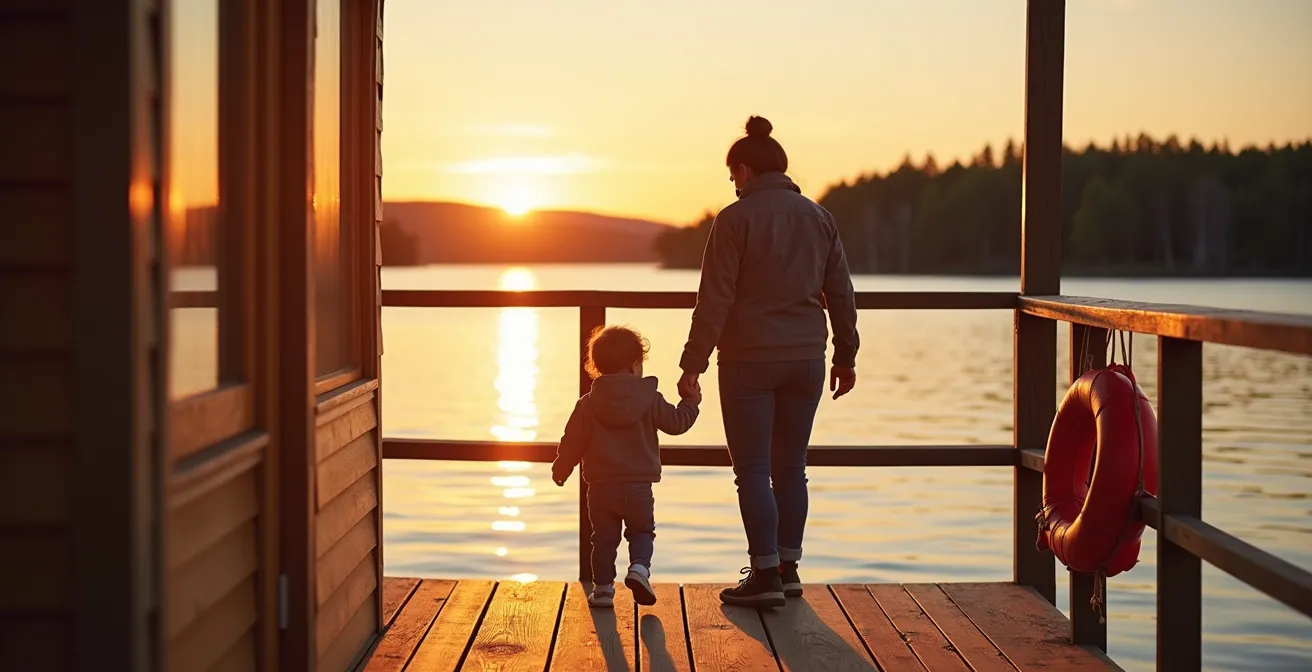
A secure environment, with visible safety features like strong railings and readily available equipment, is the ultimate comfort for any parent. This peace of mind allows the whole family to relax and enjoy the unique experience.
Monastery Stays vs. Hotels: What Are the Rules for Guests?
Comfort isn’t always about physical amenities; sometimes, it’s about understanding the social environment. A monastery stay, one of Quebec’s most unique alternative accommodations, offers a profound sense of peace and tranquility you won’t find in a hotel. However, this unique comfort comes with a set of rules that are non-negotiable. Arriving with the expectation of a hotel experience is the fastest way to feel uncomfortable and out of place.
The experience at a place like the famous Saint-Benoît-du-Lac monastery in the Eastern Townships is a perfect case study. Life there operates on the monastic rhythm, not the guest’s whim. This includes a strict schedule with fixed, silent meal times. Guests are welcome to join optional prayer times, but the day is structured around the community’s contemplative life. There is often an evening curfew (`couvre-feu`) and, most importantly, periods of mandatory silence, such as the ‘grand silence’ overnight.
These rules are not limitations; they are the features you are booking. The absence of Wi-Fi is not a flaw in service; it’s a deliberate part of the digital detox experience. When booking a monastery stay, your “inspection” involves reading the guest guidelines carefully and honestly asking yourself if you are seeking that level of structure and quiet. Comfort here is found in respecting the rhythm and embracing the silence, not in trying to bend the rules to fit a typical vacation schedule.
The Photo Mistake That Reveals a Fake Chalet Listing
In the world of online rentals, photos are the primary tool of persuasion. They are also the primary tool of deception. As an inspector, I’ve learned that a listing’s photos can tell you more by what they get wrong than by what they show. Scammers often create fake listings using beautiful photos stolen from real estate sites or other high-end rentals. Your job is to spot the inconsistencies—the photo mistakes that reveal the listing is not what it seems.
The most common mistake is a seasonal inconsistency. A listing for a chalet available in February should not feature photos of a lush, green forest and an unfrozen lake. Conversely, a summer listing with snow on the ground is an immediate red flag. Another powerful tool is Google Street View. If the listing provides an address, use Street View to compare the property’s exterior and its surroundings—trees, hydro poles, neighboring houses—with what’s shown in the photos. As the travel experts at Jones Around The World note, “Mismatches are a huge red flag.”
Mismatches are a huge red flag
– Jones Around The World Travel Guide, Top 15 Glamping Quebec Sites
Finally, perform a reverse image search on the listing’s most appealing photos. If the same image appears on a real estate site under a different address or on an international blog featuring a property in another country, you have likely uncovered a scam. Also, look for small, Quebec-specific details in the background: the distinct design of Hydro-Québec poles, the style of provincial road signs, or even the brand of beer on an outdoor table. The absence of any local context can be suspicious.
Key Takeaways
- True comfort in glamping goes beyond aesthetics; it lies in verifiable details about heating, plumbing, and safety.
- In Quebec, always assume you need to ask specific questions about winter preparedness, even for “heated” units, and clarify what terms like “rustic” or “ready-to-camp” practically mean.
- The single most important step to avoid scams and ensure a baseline of quality is to verify the property’s CITQ registration number before making any payment.
How to Rent a Chalet in Quebec Without Getting Scammed
While spotting fake photos is a key forensic skill, the ultimate protection against scams when renting a chalet or glamping unit in Quebec is procedural. It involves a series of verification steps that legitimate owners will welcome and scammers will avoid. The cornerstone of this entire process is a single piece of information: the CITQ registration number. As confirmed by tourism and rental authorities, all legitimate Quebec tourism establishments must have a CITQ registration number.
This number is your golden ticket. You should request it from the owner and then independently verify it on the official Bonjour Québec tourism directory. If an owner is hesitant to provide it or claims they don’t need one, walk away immediately. This single check filters out the vast majority of fraudulent listings. Beyond that, be extremely wary of “too good to be true” deals found on platforms like Kijiji or Facebook Marketplace, especially those demanding an immediate Interac e-Transfer deposit without a formal agreement.
A legitimate rental will always involve a formal rental agreement. This contract should clearly state the owner’s full name and address, the total cost, the payment schedule, and a cancellation policy that complies with Quebec’s provincial guidelines. Never send money without this document in hand. Using established booking platforms that offer payment protection and clear cancellation policies can add another layer of security. By following this verification protocol, you shift the power dynamic, ensuring you are dealing with a professional and legitimate operator, which is the foundation of a comfortable and stress-free stay.
Your search for a unique and comfortable stay in Quebec is now armed with an inspector’s checklist. By moving beyond the surface and asking targeted questions, you can book with confidence, knowing your chosen accommodation will deliver on its promise of a memorable and truly comfortable escape.
Frequently Asked Questions About Quebec Glamping
What does ‘literie en sus’ mean on Quebec booking sites?
It means bedding is available for an additional fee. This is a crucial detail to notice, as it can significantly increase the total cost of your stay if you don’t bring your own sleeping bags and pillows.
What sleeping bag rating is recommended for Quebec glamping?
A -10°C rated sleeping bag is highly recommended, even for accommodations with heating. Drafts, power outages, or overnight temperature drops can make a quality sleeping bag the difference between a comfortable night and a miserable one.
Are towels typically included in Quebec glamping sites?
Most glamping sites that offer private bathrooms or showers do include towels. However, you should always verify this in the listing’s fine print, as some more rustic or minimalist options may require you to bring your own.