Gastronomy & Local Produce
Quebec’s gastronomic landscape is a testament to resilience, creativity, and deep-rooted cultural pride. Shaped by harsh winters, fertile summers, and centuries of culinary cross-pollination between French, Indigenous, and British traditions, the province has cultivated a food culture that stands apart in North America. For travelers, exploring Quebec’s gastronomy means far more than tasting—it’s about understanding the terroir, respecting local customs, and navigating practical considerations that can make or break your culinary adventure.
Whether you’re planning to visit a working farm, decipher maple syrup grades, navigate sugar shack reservations, or legally bring artisanal cheese home, this resource will equip you with the knowledge to engage authentically with Quebec’s food scene. From the etiquette of agrotourism to the science behind craft brewing with boreal ingredients, we’ll explore the essential facets that define eating and drinking in la Belle Province.
What Defines Quebec’s Culinary Terroir?
The concept of terroir—the unique combination of geography, climate, and cultural practice that gives food its distinctive character—is central to understanding Quebec gastronomy. The province’s extreme seasonal variation creates a culinary calendar unlike anywhere else: strawberries explode with concentrated sweetness during the brief June harvest, while root vegetables develop complex flavors through cold storage techniques perfected over generations.
Quebec’s agricultural heartland, particularly the regions of Montérégie, Charlevoix, and the Eastern Townships, benefits from rich glacial soils and microclimates that support everything from award-winning ice ciders to pungent raw-milk cheeses. The St. Lawrence River valley acts as a natural greenhouse, extending growing seasons and enabling crops that struggle elsewhere in Canada. This geographic advantage, combined with strict provincial quality standards, has positioned Quebec as a leader in artisanal food production.
Certification systems like Aliments du Québec and Aliments préparés au Québec help travelers identify genuinely local products. These logos, often displayed on packaging and at farmers’ markets, guarantee specific percentages of local ingredients and processing. Understanding these markers is your first step toward making informed purchasing decisions and supporting the authentic food economy rather than industrial imitations marketed as “local.”
Iconic Specialties and Where to Find Them
Certain foods have become synonymous with Québécois identity, and engaging with them thoughtfully enhances any visit. These aren’t just tourist attractions—they’re living traditions that locals take seriously and expect visitors to approach with genuine curiosity.
Tourtière and Traditional Dishes
The tourtière—a spiced meat pie traditionally served during the Christmas and New Year’s period—varies dramatically by region. The Lac-Saint-Jean version features chunked game meat in a deep dish, while Montreal-style tourtières use finely ground pork with delicate spicing. This isn’t trivial variation; asking a Québécois about their family’s tourtière recipe often reveals stories about immigration patterns, hunting traditions, and generational debates about the “correct” spice blend.
For travelers, the buying versus making decision matters. Supermarket versions provide convenience but rarely capture the textural complexity of artisanal preparations. Specialty butchers and fromageries often sell frozen house-made tourtières that require simple reheating—a middle ground that respects the craft while accommodating travel logistics. If you’re transporting one home, remember that meat pies must remain frozen during transit and comply with agricultural import regulations in your destination.
Maple Syrup: Grades and Authenticity
Quebec produces over 70% of the world’s maple syrup, yet confusion about grading and authenticity remains widespread. The province recently adopted an international grading system that classifies syrup by color and taste rather than the old “Grade A/B” system. Golden syrup with delicate taste comes from early-season sap; Very Dark with strong taste appears at season’s end when trees prepare for spring growth.
Spotting fake syrup requires vigilance. Authentic maple syrup lists only one ingredient: pure maple syrup. Products labeled “maple-flavored” or “pancake syrup” contain corn syrup with artificial flavoring. At markets and tourist shops, check for the maple leaf certification seal from the Federation of Quebec Maple Syrup Producers. Price per liter varies significantly—expect to pay between $25-45 CAD per liter for authentic product depending on grade and container type. Glass jugs, decorative tins, and plastic jugs each present different packing challenges for air travel.
Craft Beer and Boreal Ingredients
Quebec’s craft brewing renaissance has embraced boreal ingredients—wild herbs, spruce tips, sea buckthorn, and Labrador tea—that create flavor profiles impossible to replicate elsewhere. The province’s climate challenges traditional hop growing, pushing brewers toward creative solutions like barrel-aging and mixed fermentation that have won international recognition.
Many breweries participate in beer passport programs, where collectors visit multiple establishments to earn stamps and rewards. This gamification encourages exploration beyond obvious destinations. Practical considerations include designated driver logistics (ride-sharing services aren’t universal in rural areas), growler refill policies (some breweries require you purchase their specific container), and the reality that most tasting flights offer better value and variety than full pours when you’re trying to sample multiple styles.
Agrotourism and Sugar Shack Experiences
Direct engagement with food producers offers unparalleled insight, but requires understanding unwritten rules that govern these interactions.
Farm Visit Etiquette
Working farms welcome visitors but operate on tight margins and demanding schedules. Arriving unannounced is generally unwelcome; most require advance booking, particularly for cheese aging cellars or animal areas with biosecurity concerns. When purchasing directly from producers, cash remains king at smaller operations, though many now accept Interac debit—credit card processing fees cut into already slim profits.
Expect seasonal availability to dictate what’s offered. Strawberry farms won’t sell fresh berries in October; cheese caves may limit certain varieties to specific aging windows. This seasonality isn’t inconvenience—it’s proof of authenticity. Industrial operations promise year-round consistency; artisanal producers follow nature’s calendar.
Planning a Sugar Shack Visit
The cabane à sucre (sugar shack) experience runs roughly from late February through April, peaking on weekends when demand far exceeds capacity. Group bookings of 8+ people secure better reservation times and often better per-person pricing. The traditional meal—ham, baked beans, pork rinds, eggs, pancakes, and tire sur neige (maple taffy on snow)—is deliberately excessive and heavily sweet. This isn’t refined cuisine; it’s celebratory abundance marking winter’s end.
Practical considerations for families include timing visits earlier in the day before children experience sugar overload, bringing digestive aids if you’re sensitive to rich foods, and understanding that many traditional shacks have limited accommodation for dietary restrictions. The rise of contemporary sugar shacks has introduced vegetarian options and smaller portion menus, but purists argue these dilute the authentic experience. BYOB policies vary—some establishments welcome wine to cut the sweetness; others maintain strict no-outside-alcohol rules.
Navigating Certifications and Regulations
Quebec’s food regulations protect consumers and producers alike, but create complexities for travelers unfamiliar with the system.
Local Quality Labels
Beyond the previously mentioned Aliments du Québec certification, specialized labels identify everything from organic production (Québec Vrai) to Indigenous-made products. The Réserve designation for certain cheeses and ciders indicates geographic protection similar to European AOC systems. These aren’t marketing gimmicks—they’re legally enforced standards with regular auditing.
When evaluating artisanal products at markets, don’t hesitate to ask producers about their certification status and production methods. Genuine artisans welcome these questions; evasive answers suggest questionable sourcing or processing.
Alcohol and Food Laws for Travelers
Quebec’s liquor laws permit wine and spirits sales through the provincial SAQ monopoly and beer/cider through grocery stores and specialized shops. Brewery taprooms can sell directly, but regulations restrict quantity. For travelers, this means planning purchases across multiple locations if you’re building a collection to bring home.
Raw milk cheese regulations differ from the United States, where only cheeses aged 60+ days can be imported. Quebec produces exceptional raw milk varieties aged under this threshold—they’re legal to consume in Canada but cannot cross the U.S. border. Travelers heading to other destinations should verify agricultural import rules before purchasing perishable goods. The Canadian Food Inspection Agency provides current guidelines, though regulations shift periodically.
Duty-free alcohol limits when returning to most countries hover around 1-2 liters of spirits or wine per adult. Exceeding these limits incurs taxation that can negate any perceived savings from buying at source. Keep receipts and declare honestly—agricultural products face particular scrutiny at borders.
Bringing Quebec Flavors Home
The gap between wanting to transport artisanal products and successfully getting them home intact challenges many travelers.
Packing and Transport Tips
Glass jars containing maple syrup, jams, or preserves require careful packing to survive baggage handling. The most reliable method involves wrapping each jar in clothing, placing them in sealed plastic bags (to contain leaks), and positioning them in the center of checked luggage surrounded by soft items. Hard-sided luggage provides better protection than soft bags. Some travelers invest in specialized bottle protection sleeves designed for wine transport.
Perishable goods like cheese require cooler management for flights longer than a few hours. Frozen gel packs wrapped in plastic bags prevent condensation damage, while insulated bags from outdoor retailers outperform cheap styrofoam coolers. Airlines permit frozen gel packs in checked luggage; carry-on rules are stricter and vary by security screening location. Hard cheeses survive temperature fluctuations better than soft varieties—plan purchases accordingly based on your journey home.
Customs and Legal Considerations
Agricultural products face the strictest border scrutiny because of disease and pest concerns. Smoked meats, while delicious, often violate import regulations for many countries. The general rule: commercially packaged, shelf-stable items (maple syrup, jams, packaged cookies) rarely cause issues; fresh, frozen, or homemade products trigger questions and potential confiscation.
Before purchasing expensive artisanal items, consult your destination country’s customs website for specific prohibited items lists. The few minutes spent researching can prevent the disappointment of surrendering products at the border or facing significant fines. When declaring items, provide specific details—”artisanal cheese, commercially packaged” receives better treatment than vague “food items.”
Quebec’s gastronomic richness rewards travelers who approach it with curiosity, respect, and practical preparation. By understanding the terroir, recognizing authentic quality markers, following local customs, and navigating regulations intelligently, you transform from passive tourist to engaged participant in a food culture that Québécois fiercely protect and generously share. The province’s culinary traditions aren’t museum pieces—they’re living practices that evolve while maintaining deep roots, and your thoughtful engagement helps sustain them for future generations of both locals and visitors.
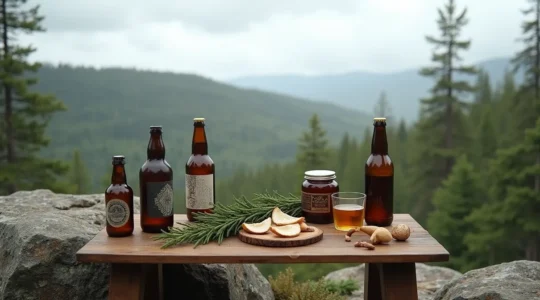
What Makes Quebec Craft Beer Taste Different from American Beer?
The unique flavour of Quebec craft beer comes from a philosophy of ‘brewing survivance’—transforming the rugged northern landscape itself into distinctive taste profiles. Wild-foraged botanicals like spruce tips and Labrador…
Read more
How to Complete the “Route des Bières” Without Losing Your License?
In summary: A successful Québec beer tour for a group relies on a logistical playbook, not just a list of breweries. The designated driver is the strategic “Anchor.” Reward them…
Read more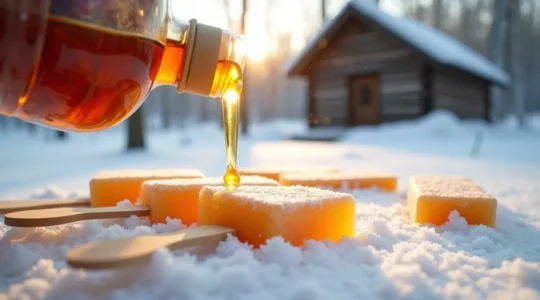
How to Make Perfect Taffy on Snow at Home?
The secret to perfect maple taffy isn’t magic; it’s understanding the science of sugar crystallization. Achieving the precise temperature range transforms syrup into the ideal soft, chewy texture. Using genuinely…
Read more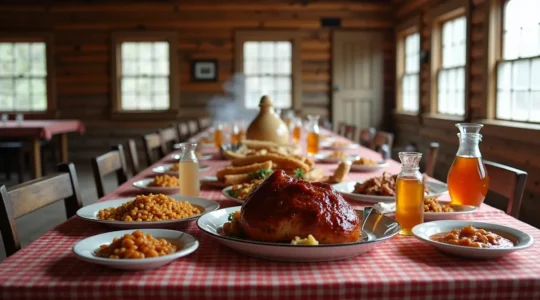
How to Survive the “Cabane à Sucre” Meal Without Getting Sick?
The secret to enjoying a sugar shack feast isn’t eating less; it’s eating smarter by strategically sequencing your meal to manage the metabolic load. Start with protein-rich dishes like ham…
Read more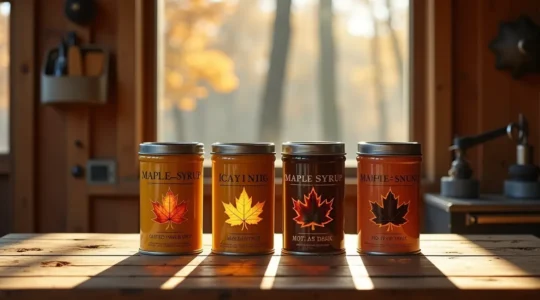
How to Choose the Right Grade of Maple Syrup: A Producer’s Guide
Choosing the right maple syrup is about matching its flavour profile to the dish, not just picking a colour. Golden and Amber syrups are best for delicate toppings and classic…
Read more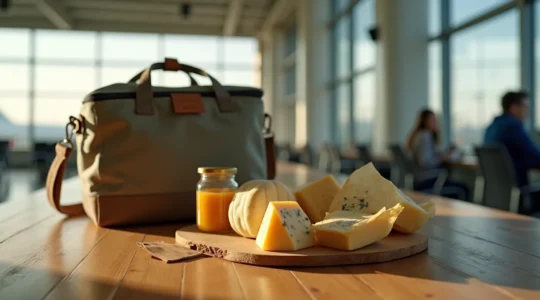
How to Bring Quebec Cheese and Pâté Back Home Through Customs?
In summary: Raw milk cheese is allowed into the US if it’s aged for a minimum of 60 days; always keep the receipt. Game meat like moose is permissible for…
Read more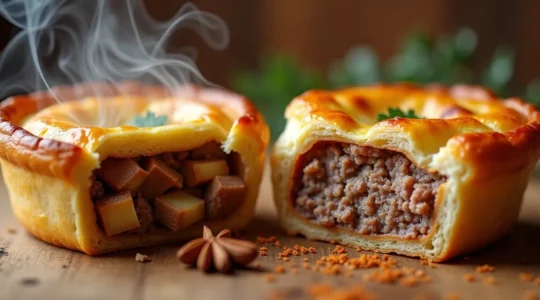
Tourtière du Lac vs. Pâté à la Viande: What Is the Real Difference?
The belief that Tourtière is just a generic “French-Canadian meat pie” is a profound misunderstanding; the real difference lies not just in ingredients, but in a deep-rooted history of regional…
Read more
Beyond the Map: How to Find True Terroir on Quebec’s Flavour Trail and Avoid Tourist Traps
The secret to an authentic Quebec food tour isn’t following the official map—it’s learning to read the unwritten rules of the terroir itself. Authenticity is proven by legal designations like…
Read more