Destinations in Quebec
Quebec stands apart as a destination where European heritage meets North American wilderness. From centuries-old fortified cities perched on cliffsides to fjords carved by glacial forces, this province demands more than casual planning. The logistics of visiting Quebec’s diverse destinations often surprise first-time visitors: ferries operate on strict schedules, provincial parks require advance booking through specific systems, and seasonal accessibility can shift dramatically between summer and winter months.
Understanding these practical realities transforms a trip from a series of missed opportunities into a well-orchestrated experience. Whether you’re navigating the narrow streets of a walled city, timing a fjord cruise around tidal patterns, or securing accommodation on a remote island during peak season, each destination type presents unique challenges. This foundation will equip you with the core knowledge needed to approach Quebec’s varied landscapes with confidence.
Historic Urban Centers: Navigating Quebec’s Walled Cities
Quebec City’s Upper Town represents the most distinctive urban landscape in North America, and its defensive topography creates practical challenges that modern visitors must address. The clifftop position that made it militarily strategic now means you’ll encounter significant elevation changes, steep staircases, and limited vehicle access in key areas.
Understanding Accessibility and Terrain
The fortified sections require a different mobility approach than typical city tourism. Cobblestone streets, originally designed for horse traffic, can be challenging for wheeled luggage or strollers. The funicular connecting the Lower and Upper Towns offers a mechanical solution to the 60-meter elevation difference, but knowing its operating hours and capacity limits prevents bottlenecks in your itinerary.
Parking and Transportation Strategies
Vehicle access within the walls is severely restricted, with most streets designed for carriages rather than cars. The most practical approach involves parking in designated lots outside the historic core—such as those near the Parliament Building or along Boulevard René-Lévesque—then exploring on foot or using the transit network. During winter months, these logistics become more complex as snow removal prioritizes certain routes and reduces available parking spaces.
Seasonal Timing and Crowd Management
Cruise ship arrivals create predictable surges in visitor density, particularly between May and October. A single large vessel can discharge 3,000 passengers into the historic district within a two-hour window. Checking the Port of Quebec’s vessel schedule and planning your visit to fortifications, museums, or popular restaurants during off-peak windows—typically early morning or late afternoon—dramatically improves the experience.
Natural Wonders: Experiencing Quebec’s Waterways Safely
The Saguenay Fjord exemplifies Quebec’s dramatic natural landscapes, but appreciating it safely requires understanding marine conditions that differ fundamentally from lake or coastal tourism.
Marine Navigation and Vessel Selection
Different vessel types offer contrasting experiences of the same waterway. Large cruise boats provide climate-controlled comfort and stability, making them suitable for those concerned about motion sickness or cold exposure. Smaller zodiac-style crafts bring you closer to cliff faces and wildlife but expose you fully to weather conditions. The choice should align with both your physical comfort and your tolerance for environmental exposure—a crucial consideration when water temperatures remain below 10°C even in summer.
Understanding Tidal and Current Patterns
The Saguenay’s freshwater meets the St. Lawrence’s tidal saltwater, creating complex current interactions that affect navigation timing. Tour operators schedule departures around these patterns, but independent kayakers or small craft operators must consult tide tables and current predictions. The Canadian Hydrographic Service provides this data, and ignoring it can turn a leisurely paddle into an exhausting battle against water movement.
Cold Water Safety Protocols
Even during summer, Quebec’s deep waterways maintain temperatures that can induce cold shock within minutes of immersion. This isn’t recreational swimming water—it’s an environment that requires proper flotation devices and, for extended exposure activities like kayaking, consideration of wetsuit or drysuit use. Land-based viewing alternatives along the fjord’s rim trails offer equally spectacular perspectives without the inherent risks of water-based exploration.
Island and Remote Destinations: Mastering Booking Logistics
Places like Île-aux-Coudres in the Charlevoix region demonstrate how island logistics in Quebec differ from typical travel planning. These destinations require coordinating multiple systems that don’t always communicate seamlessly.
Ferry Systems and Vehicle Transport
Quebec’s island ferries operate on published schedules, but capacity constraints during peak periods create practical limits. The decision between transporting your vehicle versus renting locally hinges on accommodation location and activity plans. If your lodging is concentrated in a walkable area and activities are tour-based, the vehicle becomes unnecessary cargo consuming ferry space. Conversely, exploring remote coastal roads or accessing multiple trailheads makes a vehicle essential.
Accommodation Scarcity Windows
Smaller destinations often have limited lodging inventory—sometimes fewer than 200 total rooms across all properties. Summer weekends and festival periods can see 100% occupancy weeks in advance. The provincial tourism association, Bonjour Québec, provides regional availability overviews, but direct property contact often reveals last-minute cancellations not yet reflected in online systems.
Weather Contingency Planning
Ferry cancellations due to weather—particularly high winds or ice conditions—can strand visitors or prevent access entirely. Building flexibility into your itinerary, particularly for the first and last days of an island stay, prevents cascade failures where a missed ferry connection causes you to lose pre-paid accommodations or activities. Travel insurance that covers weather-related disruptions becomes more valuable for these remote destinations than for urban itineraries.
Provincial Parks and Protected Areas: Navigating SÉPAQ Systems
Quebec’s provincial parks operate under the SÉPAQ network (Société des établissements de plein air du Québec), a centralized management system that requires understanding specific booking protocols and regulations.
Access Reservations and Annual Pass Economics
Popular parks like Jacques-Cartier or Mont-Tremblant require daily access reservations during peak season, separate from any camping or activity bookings. These reservations open at specific deadlines—typically 48 hours in advance—and high-demand weekends can fill within hours of becoming available. An annual SÉPAQ pass ($75-90 depending on membership level) becomes economical after approximately four park visits, but it doesn’t eliminate the need for daily reservation in capacity-controlled parks.
Pet Regulations and Trail Accessibility
Dog policies vary significantly between parks and even between trail sections within the same park. Some networks prohibit dogs entirely to protect wildlife corridors, while others allow them on designated routes only. Shoulder season trail closures—particularly in spring when trails are muddy and vulnerable to erosion, or in fall during hunting seasons—can limit access to the specific routes you planned to hike. Checking current conditions through the SÉPAQ website or calling park offices directly prevents arriving to find your intended trail closed.
Shuttle Services and Trailhead Access
Several parks implement shuttle bus systems to reduce trailhead congestion and environmental impact. These operate on fixed schedules with limited capacity, effectively controlling when you can start and must finish certain hikes. Arriving at a trailhead parking lot to find it full without knowing about the shuttle alternative can derail an entire day’s plan.
Cultural Regions: Exploring Quebec’s Distinctive Heritage Areas
The Eastern Townships (Cantons-de-l’Est) present a different Quebec entirely—one shaped by Anglo-Saxon settlement patterns that created architectural and cultural landscapes distinct from francophone regions.
Architectural and Heritage Identification
Recognizing Loyalist-era architecture, Victorian-era town planning, and English parish church designs reveals layers of history invisible to those expecting uniform French colonial styles. Small details like building materials (brick construction more common in anglophone areas versus stone in francophone regions) and town square layouts tell stories about who settled these areas and when. Heritage plaques and local historical societies provide context, but developing your own visual literacy enriches the experience.
Tea Room Culture and Border Proximity
The Townships maintain traditions—like afternoon tea service and specific baking styles—that reflect their cultural origins. This isn’t themed tourism but rather continuation of actual community practices. The region’s proximity to the U.S. border (some towns are less than 15 kilometers from Vermont) has historically influenced trade patterns and cultural exchange, creating a hybrid identity worth understanding before visiting.
Student Cities: Experiencing Sherbrooke’s Urban Energy
University cities like Sherbrooke offer a different rhythm than tourist-oriented destinations, with infrastructure and culture shaped by academic calendars and student populations.
The city’s mural circuit provides a self-guided cultural tour through neighborhoods that might otherwise seem purely residential. These aren’t commissioned tourist attractions but community art projects, often concentrated in areas with student housing where rents support emerging artists. Understanding this context—that you’re walking through lived neighborhoods rather than curated zones—shapes how you interact with the space.
Public transit usage patterns shift dramatically between academic terms and summer months. Bus routes serving university campuses run on reduced schedules when students leave, while nature access points within city limits become more accessible. The student influence on nightlife zoning means entertainment districts concentrate in specific neighborhoods, making accommodation location more significant than in cities with distributed nightlife.
These foundational concepts—from ferry booking windows to SÉPAQ regulations, from tidal patterns to heritage architecture—form the practical framework for exploring Quebec’s diverse destinations. Each region demands specific preparation, but understanding these patterns transforms logistics from obstacles into manageable elements of trip planning.
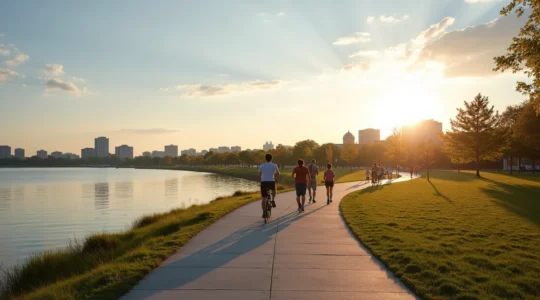
How to Spend a Weekend in Sherbrooke and Actually Feel Like a Local
In summary: Most travel guides give you a generic checklist for Sherbrooke; this guide gives you the local hacks. Discover the city’s rhythm by tackling the mural tour backwards and…
Read more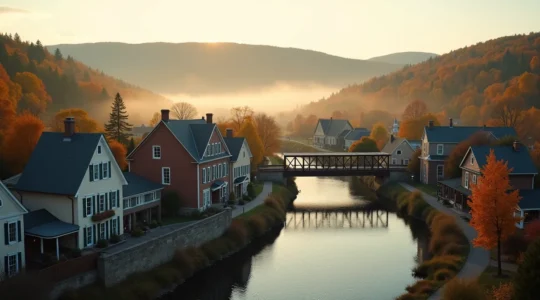
How to Trace the Loyalist History in the Eastern Townships?
Tracing Loyalist heritage in Quebec isn’t about finding names on a list; it’s about deciphering a living history written in architecture and landscape. The iconic round barns are not just…
Read more
Sold Out? How to Guarantee Your Entry to SÉPAQ Parks This Season
The “Sold Out” sign at a SÉPAQ park gate isn’t bad luck; it’s the predictable result of a capacity management system you can learn to navigate. Peak season access is…
Read more
The Unwritten Rules: How to Secure a Ferry Spot to the Magdalen Islands in High Season
Securing a high-season trip to the Magdalen Islands is less about luck and more about a precise, time-sensitive strategy that starts months before summer. Ferry spots for July and August…
Read more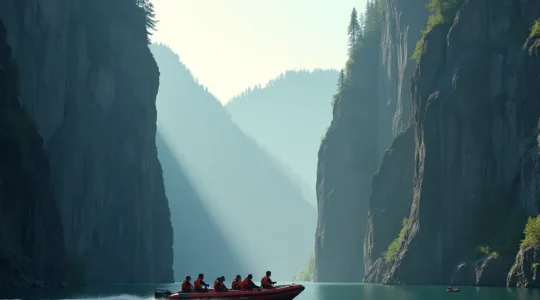
How to Explore the Saguenay Fjord by Water Without Breaking the Bank?
The key to an affordable Fjord water tour is choosing your vessel based on an understanding of the environment, not just the price tag. The public ferry offers a 10-minute…
Read more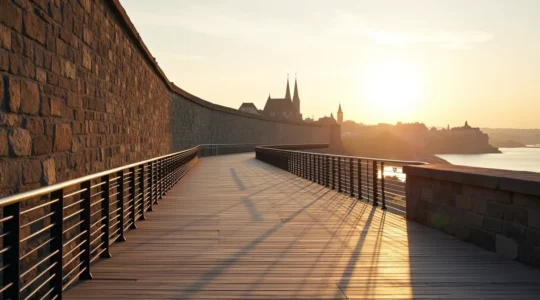
How to Visit Old Quebec’s Fortifications With Limited Mobility?
Conquering Old Quebec’s charming but challenging terrain is not about endurance, but about strategy. Leverage specific, local accessibility rules—like free 3-hour street parking with a permit—to gain a “downhill advantage.”…
Read more