Culture & Discoveries
Quebec stands apart as a cultural crossroads where French colonial legacy, Indigenous traditions, British influences, and waves of immigration have created a distinctive North American identity. For travelers seeking meaningful cultural engagement, the province offers far more than scenic landscapes—it presents opportunities to connect with living history, trace ancestral roots, witness architectural evolution, and participate in vibrant contemporary traditions.
Cultural tourism in Quebec encompasses diverse experiences: from archival research in heritage institutions to respectful participation in Indigenous ceremonies, from photographing centuries-old religious architecture to attending world-class festivals. Understanding how to navigate these experiences requires more than logistical planning—it demands cultural literacy, practical preparation, and ethical awareness.
This resource introduces the foundational themes that define cultural exploration in Quebec: genealogical research methods, architectural heritage interpretation, Indigenous cultural protocols, religious site etiquette, living history engagement, and festival participation. Whether you’re searching for ancestors, documenting heritage neighborhoods, or experiencing contemporary cultural celebrations, these insights provide the framework for deeper, more respectful cultural engagement.
Quebec’s Cultural Mosaic: Understanding the Layers
Quebec’s cultural landscape reflects over 400 years of layered settlement and exchange. The province’s majority French-speaking population maintains distinct traditions from France itself, having evolved independently since the British conquest. This francophone identity coexists with eleven recognized Indigenous nations, each with distinct languages, territories, and cultural practices.
Visitors encounter three primary heritage narratives: the French colonial experience preserved in Old Quebec and Montreal; the Indigenous presence maintained through cultural centers and contemporary communities; and the Anglo-Protestant legacy visible in institutional architecture. Understanding these layers prevents oversimplification—Quebec isn’t simply “French Canada,” but a jurisdiction where Indigenous land acknowledgments precede official events, where modernist architecture showcases urban ambition, and where religious heritage sites attract both pilgrims and architecture enthusiasts.
For first-time cultural travelers, this complexity means research precedes arrival. Identifying which heritage narratives interest you most—whether genealogical, architectural, spiritual, or artistic—helps prioritize experiences in a province where cultural offerings vastly exceed any single itinerary’s capacity. Each cultural layer remains active rather than purely historical, making Quebec’s cultural tourism inherently participatory rather than merely observational.
Personal Heritage: Genealogy Tourism and Ancestral Connections
Genealogy tourism has grown significantly in Quebec, driven by descendants of Quebecois emigrants seeking ancestral connections. The province offers exceptional archival resources: centralized church records dating to the 1600s, digitized census data, and specialized research centers in Quebec City and Montreal.
Essential Research Infrastructure
Success in ancestral research requires understanding Quebec’s unique record-keeping systems. Church parish registers recorded births, marriages, and deaths until provincial civil registration began. These records, many now digitized, use French naming conventions where “dit” names (nicknames) often replaced surnames, and married women retained maiden names in official documents.
Several institutions serve genealogy tourists: the Bibliothèque et Archives nationales du Québec (BAnQ) offers free digital access and in-person research support; the Drouin Collection provides indexed parish records; and regional archives hold municipality-specific documents. Many visitors underestimate the time required—productive archival research typically requires multiple days, not hours.
Emotional and Practical Dimensions
Genealogy tourism combines intellectual research with emotional discovery. Visitors often describe profound reactions when locating ancestral villages, standing in churches where great-grandparents married, or reading handwritten records in centuries-old script. This emotional intensity makes heritage-focused itineraries different from conventional tourism—they require flexibility for unexpected discoveries and processing time.
Common mistakes include arriving without basic genealogical information (minimally: ancestor’s full name, approximate birth year, and region), expecting instant results, or assuming all records are digitized. Successful genealogy tourists typically conduct preliminary online research, consult with Quebec genealogical societies before arrival, and build heritage visits into broader cultural itineraries.
Built Heritage: Architecture and Sacred Spaces
Quebec’s architectural heritage provides tangible evidence of cultural evolution, from New France colonial structures to contemporary design. Two distinct architectural traditions dominate heritage tourism: religious and institutional buildings reflecting European models, and vernacular residential architecture adapted to Quebec’s climate.
Architectural Styles and Urban Heritage
Montreal and Quebec City showcase contrasting preservation approaches. Old Quebec maintains strict heritage controls, preserving its UNESCO World Heritage designation through regulations that maintain 17th-19th century aesthetics. Montreal balances preservation with adaptive reuse, creating neighborhoods where 19th-century warehouses house contemporary galleries.
Understanding the “plex” structure—Montreal’s signature residential form—reveals social history. These two-to-three-story buildings with external staircases housed multiple families, reflecting working-class density. Today, heritage neighborhoods like Plateau Mont-Royal illustrate tensions between preservation and gentrification, where architectural character attracts affluent residents transforming working-class housing into single-family residences.
Religious Architecture and Heritage Sites
Quebec’s religious heritage extends beyond Catholicism’s dominant presence to include Protestant churches, synagogues, and converted religious spaces. Basilicas like Notre-Dame de Montreal and Sainte-Anne-de-Beaupré attract visitors for both artistic merit and spiritual significance, creating mixed audiences of pilgrims and architecture enthusiasts.
Photography of religious heritage requires awareness of multiple factors: architectural lighting varies dramatically by time of day, with morning light favoring east-facing facades; many sites restrict tripod use during services; and understanding sacred space helps navigate photography ethics. Evening illumination of major basilicas offers dramatic opportunities, though park hours and seasonal darkness affect accessibility.
Religious heritage tourism includes pilgrimage routes, particularly the Chemin du Roy and various shrine circuits. These experiences combine physical journey, historical interpretation, and spiritual practice, attracting both religious pilgrims and secular heritage tourists. Several institutions offer accommodation in former religious buildings, providing immersive heritage experiences that require understanding dress codes and behavioral expectations.
Indigenous Cultural Engagement: Protocols and Respect
Quebec’s Indigenous nations—including Mohawk, Cree, Innu, Mi’gmaq, and others—maintain distinct cultural practices, languages, and protocols. Cultural tourism involving Indigenous experiences requires heightened ethical awareness and respect for community-determined boundaries around cultural sharing.
Pow Wows represent one accessible entry point for respectful cultural engagement. These gatherings combine competition, celebration, and cultural transmission. Visitor etiquette is specific:
- Certain dances prohibit photography—watch for announcements
- The arena’s center is sacred space for dancers only
- Protocol items (eagle feathers, ceremonial objects) must never be touched
- Appropriate questions focus on publicly shared knowledge rather than spiritual practices
Authenticity in cultural purchasing requires discernment. Genuine Indigenous art sold at cultural centers and juried shows supports artists directly, while generic “Indigenous-style” items in tourist shops often lack cultural connection. Understanding tribal affiliations, traditional materials, and artistic lineages helps identify authentic work.
Terminology correctness matters significantly. Indigenous peoples in Quebec prefer specific national names (Kanien’kehá:ka rather than Mohawk, Eeyou/Eenou rather than Cree) when known. “First Nations” applies to most communities, while Inuit have distinct status. Outdated terms and generalizations that erase national distinctions demonstrate cultural insensitivity.
Culinary experiences increasingly include Indigenous foods and preparation methods through restaurants, workshops, and cultural centers. These experiences introduce traditional ingredients—wild game, foraged plants, traditional preservation—while supporting Indigenous food sovereignty initiatives.
Living Culture: Festivals, Events, and Interactive Experiences
Quebec’s cultural calendar extends year-round, from Montreal’s International Jazz Festival drawing millions to regional celebrations of harvest, heritage, and contemporary arts. Festival culture forms a core component of Quebec identity, reflecting both European festival traditions and North American scale.
Strategic Festival Planning
Urban festival navigation requires strategy. Major festivals offer both free outdoor programming and ticketed performances—understanding this split maximizes value. Free stages provide accessible introductions, while ticketed shows ensure seating and often superior acoustics. Sound quality varies dramatically at outdoor venues; arriving early to assess acoustic zones before crowds arrive improves experience.
Security protocols have intensified at major festivals, restricting bag sizes and prohibiting certain items. Checking specific festival regulations prevents entry denial. Accessibility provisions vary; major festivals provide wheelchair access and assistive services, though crowded conditions challenge mobility. Nearby dining logistics require advance planning—popular areas near festival zones fill rapidly.
Living History and Interactive Learning
Living history sites across Quebec employ historical interpretation through costumed staff, period demonstrations, and participatory workshops. These experiences range from theatrical performances to serious historical education, with varying degrees of authenticity versus entertainment.
For families, interactive workshops—blacksmithing, traditional cooking, heritage crafts—provide memorable learning beyond passive observation. Cost-value analysis matters; some sites charge premium prices for limited interaction, while others include extensive programming in modest admission fees. Seasonal limitations affect availability; many living history sites operate May through October only, with reduced programming in shoulder seasons.
Language presents challenges at some heritage sites where interpretation occurs primarily in French. While major sites offer English services, smaller regional museums may have limited bilingual capacity, necessitating patience and basic French phrases for deeper engagement.
Navigating Cultural Tourism: Practical Insights
Successful cultural tourism in Quebec requires awareness of practical and ethical considerations that transcend individual sites or experiences.
Cultural etiquette begins with linguistic respect. While Montreal operates largely bilingually, Quebec City and regional areas are predominantly French-speaking. Beginning interactions with “Bonjour” and attempting basic French phrases demonstrates respect; switching to English only after a French greeting acknowledges the province’s linguistic identity.
Photography protocols vary by context. Public spaces generally permit photography, but certain cultural contexts—Indigenous ceremonies, religious services, private museums—require explicit permission. When photographing people, particularly in cultural contexts, asking permission respects individual and cultural dignity.
Accessibility varies significantly across heritage sites. Older buildings protected under heritage designation may lack elevators or ramps; cobblestone streets in Old Quebec challenge mobility devices; and seasonal weather conditions affect access. Researching specific site provisions and contacting venues directly ensures realistic planning.
Timing shapes cultural experiences profoundly. Summer concentration of festivals and peak tourism creates crowds and higher prices but maximizes available programming. Shoulder seasons (May, September-October) offer moderate weather, reduced crowds, and many cultural sites still operating. Winter provides unique experiences—ice festivals, holiday markets, winter carnival—but severely limits some heritage site access.
Cultural tourism budgets should account for Quebec’s mixed pricing landscape. Many museums offer free or discounted admission on specific days; festival free programming can be extensive; yet specialized experiences command significant fees. Balancing free and paid experiences creates sustainable cultural itineraries.
Finally, approaching cultural tourism with humility and openness matters most. Quebec’s cultural landscape reflects complex histories of colonization, resistance, preservation, and evolution. Respectful cultural tourism acknowledges this complexity, seeks to learn rather than merely consume, and recognizes that meaningful cultural engagement often requires slowing down, listening carefully, and accepting that some cultural knowledge remains appropriately bounded within communities.
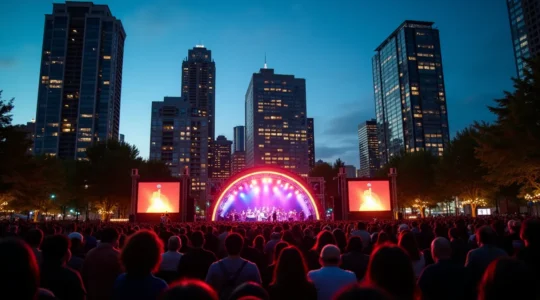
How to Discover New Music at the Jazz Festival Without Knowing the Artists?
The key to discovering great new music at the Montreal Jazz Fest isn’t knowing the artists, but strategically choosing your venues. Free outdoor stages offer serendipity, but paid indoor venues…
Read more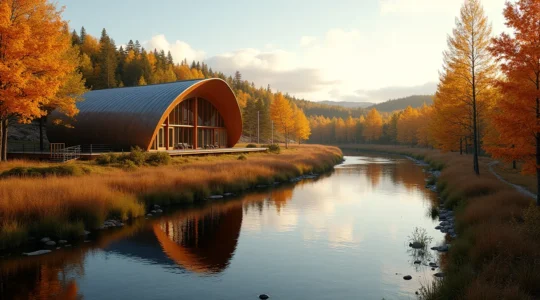
How to Engage with Indigenous Tourism Respectfully in Quebec?
Engaging respectfully with Indigenous tourism in Quebec is less about memorizing a list of rules and more about understanding the core principles of sovereignty, relationship, and living culture behind them….
Read more
How to Photograph Quebec’s Landscapes During the Golden Hour?
In summary: Master logistics by checking SEPAQ hours and setting alarms to avoid being locked in parks after sunset. Use summer humidity and haze as a creative tool by using…
Read more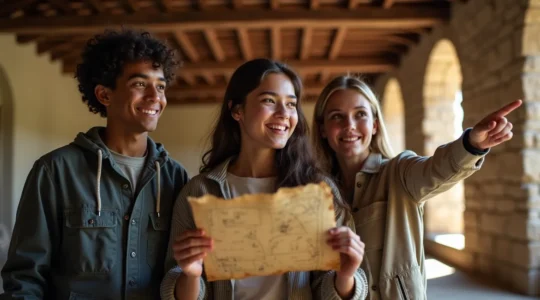
How Can You Make New France History Genuinely Interesting for a Teenager?
The secret to engaging a teen with New France history isn’t more facts or dates—it’s shifting them from a passive observer to the main character of their own discovery story….
Read more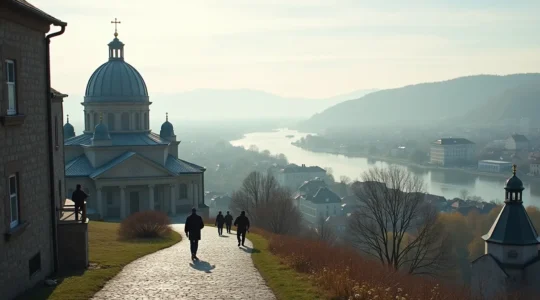
How to Experience Quebec’s Religious Heritage Respectfully and Deeply?
In summary: To truly connect with Quebec’s sacred sites, adopt a “pilgrim’s mindset” that prioritizes understanding over simple sightseeing. Respect for “living heritage” involves observing practical rules regarding silence, dress…
Read more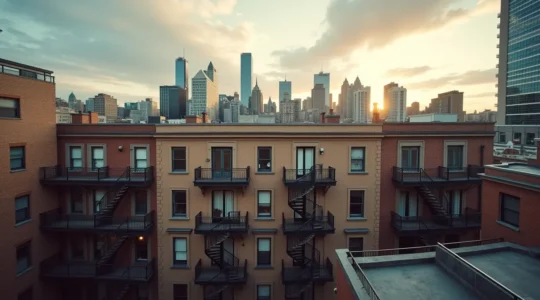
Photographing Montreal: Uncovering Architectural Narratives Beyond the Tourist Trail
To truly photograph Montreal’s architecture, you must look past the famous landmarks and learn to read the city’s visual language hidden in its neighbourhoods. The city’s most unique features, like…
Read more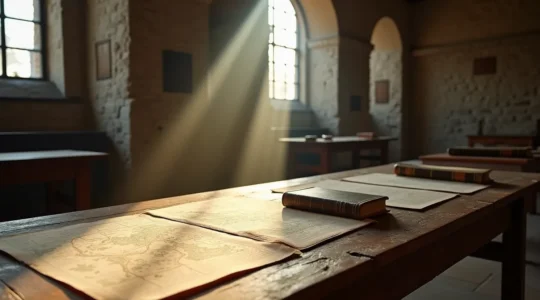
How to Find Your Family Roots in Quebec on a Short Trip
In summary: Focus on an emotional connection rather than exhaustive research by treating the landscape as a living archive. Prepare before you go by using free online resources like FamilySearch…
Read more