Blog
Traveling across Canada, particularly through Quebec’s diverse landscapes, presents unique challenges that set it apart from destinations with more predictable climates and terrain. From the humid summers of the St. Lawrence Valley to the sudden cold snaps in the Laurentians, from the windswept shores of the Gaspésie to the boreal forests of Abitibi-Témiscamingue, Canadian travelers must prepare for dramatic shifts in weather, terrain, and conditions—sometimes within a single day. Add to this the complex web of provincial and federal regulations governing everything from drone usage to wildlife interaction, and it becomes clear why thorough preparation is essential.
This comprehensive resource addresses the fundamental knowledge every traveler needs before embarking on a Canadian journey. Whether you’re planning your first road trip through Quebec’s national parks or you’re a seasoned adventurer looking to refine your approach, understanding the practical realities of gear selection, legal requirements, safety protocols, and daily logistics will transform your experience from stressful to seamless. The goal isn’t just to survive the elements—it’s to travel confidently, ethically, and sustainably while making the most of Canada’s extraordinary natural beauty.
Preparing Your Travel Gear for Diverse Canadian Conditions
Canada’s climate variability demands a strategic approach to packing that goes far beyond simply checking the forecast. Think of your gear selection as building a modular system rather than packing fixed outfits. The layering principle—combining a moisture-wicking base layer, an insulating mid-layer, and a weather-resistant outer shell—allows you to adapt to temperature swings of 15-20 degrees Celsius that commonly occur between morning and afternoon, or when moving from coastal areas to higher elevations.
Clothing Systems for Multi-Climate Travel
The key to managing Quebec’s unpredictable weather lies in versatile layering. A lightweight merino wool base layer works equally well for cool mornings in the Eastern Townships and as sleepwear in heated accommodations. Your mid-layer—whether a fleece or down jacket—should compress easily into your pack. For outer protection, prioritize a shell jacket with waterproof-breathable membranes rated for at least 10,000mm water column pressure, essential for the sudden rainfall common in regions like Charlevoix or the Côte-Nord. Remember that humidity affects temperature perception significantly; what feels comfortable at 15°C in dry Alberta will feel much colder at the same temperature in humid Montreal.
Footwear Selection for Varied Terrain
Your choice of footwear can make or break a trip across Canada’s diverse landscapes. For travelers planning to explore both urban environments and natural areas, a practical approach involves two pairs: lightweight hiking boots with ankle support for trails, and comfortable walking shoes for cities. Quebec’s provincial parks feature everything from well-maintained boardwalks at Parc national de la Jacques-Cartier to rocky scrambles in Parc national du Bic. Look for boots with Vibram soles and waterproof construction—essential when crossing streams or navigating the muddy sections common on trails after spring snowmelt or summer storms.
Protecting Electronics and Sustainable Gear Choices
Modern travelers carry significant electronic equipment, from smartphones and cameras to laptops and power banks. Canada’s climate extremes pose real risks: humidity in summer can cause condensation inside camera lenses, while winter cold rapidly drains battery life. Store devices in waterproof stuff sacks with silica gel packets, and when moving between cold outdoor environments and warm interiors, allow gradual temperature adjustment to prevent condensation damage. Battery capacity can drop by 20-30% in temperatures below freezing, so keep spare batteries warm against your body.
Increasingly, travelers are seeking eco-friendly alternatives that minimize environmental impact. Canadian outdoor retailers now offer excellent options in recycled synthetic insulation, organic cotton base layers, and gear made from repurposed materials. Brands like Montreal-based Kanuk and Vancouver’s Arc’teryx prioritize durability and repairability over disposability—a worthwhile investment that aligns with the Leave No Trace principles embraced by Parks Canada and Quebec’s SEPAQ network.
Understanding Travel Regulations and Legal Requirements
Canadian travel involves navigating a layered regulatory framework that combines federal laws, provincial regulations, and local park rules. While this might seem daunting, understanding the key requirements ensures you avoid fines, confiscation of equipment, or legal complications that could derail your journey.
Drone Photography: Federal and Provincial Rules
Drone usage in Canada is governed by Transport Canada regulations that require pilots of drones weighing 250 grams or more to obtain a basic or advanced pilot certificate, depending on where and how they fly. In Quebec specifically, additional provincial considerations apply, particularly around privacy laws that are more stringent than in other provinces. Flying over private property without permission can result in legal action, while national parks managed by Parks Canada typically prohibit recreational drone use entirely to minimize wildlife disturbance and preserve visitor experience. Before flying, consult Transport Canada’s drone site selection tool and verify local restrictions—what’s permitted at a provincial campground may be forbidden at a nearby federal park.
National and Provincial Park Regulations
Canada’s park systems operate under different jurisdictions with varying rules. Parks Canada manages national parks like Forillon and La Mauricie, while SEPAQ oversees Quebec’s provincial parks such as Mont-Tremblant and Gaspésie. Regulations differ on camping reservations, fishing permits, fire restrictions, and pet policies. During high fire risk periods—increasingly common in recent summers—open fires may be prohibited even in designated fire pits. Most parks require advance reservations during peak season, and some popular backcountry sites operate on a quota system to prevent overuse. The Conservation Officers who patrol these areas have enforcement authority and can issue substantial fines for violations.
Commercial Versus Recreational Permits
The distinction between recreational and commercial activity matters significantly in Canadian parks and public lands. If you’re photographing or filming for social media with the intent to monetize through sponsorships or advertising, you may technically require a commercial filming permit, even if you’re not part of a large production. Parks Canada and SEPAQ have different thresholds for what constitutes commercial use. Generally, personal documentation is permitted, but once you’re being compensated by brands or selling imagery, you’ve crossed into commercial territory. Permits ensure that revenue from commercial use helps fund park maintenance and that high-impact activities are monitored and limited.
Staying Safe and Ethical in Natural Environments
Canada’s wilderness offers remarkable beauty but demands respect and preparation. Understanding natural hazards and ethical practices protects both you and the ecosystems you visit.
Recognizing Terrain and Weather Hazards
Quebec’s varied topography creates specific risk patterns. In mountainous regions like the Chic-Chocs, sudden weather changes can catch hikers off-guard, with fog rolling in rapidly and temperatures dropping significantly. Wind exposure on ridgelines and summits can create dangerous wind chill—what starts as a pleasant 10°C hike can feel like freezing conditions with 40 km/h winds. Coastal areas experience their own hazards, including fast-moving tides in the St. Lawrence Estuary that can cut off access to tidal zones. Research your specific destination’s risks: consult regional avalanche forecasts in winter, monitor wind warnings before exposed hikes, and always inform someone of your itinerary before heading into backcountry areas.
Wildlife Ethics and Disturbance Prevention
Quebec is home to black bears, moose, caribou in northern regions, and increasingly, Eastern coyotes. Ethical wildlife viewing means maintaining distance—Parks Canada recommends at least 30 meters for most wildlife and 100 meters for bears. Feeding wildlife, even unintentionally through improperly stored food, habituates animals to human presence and often leads to their eventual removal or death. Use bear-resistant food storage containers in designated areas, or employ proper bear hang techniques where required. During sensitive periods—nesting season for birds, calving season for ungulates, or denning season for bears—maintain extra distance and minimize time in sensitive areas. Remember that getting the perfect photograph is never worth causing an animal to flee, abandon young, or expend critical energy reserves.
Managing Practical Logistics on Extended Trips
Long-term travel involves mundane but essential tasks that can become challenging when you’re constantly moving. Planning for these practicalities prevents minor inconveniences from becoming major frustrations.
Laundry management on multi-week road trips requires strategy. Many Canadian campgrounds and hostels offer coin-operated facilities, but these may be limited or unavailable in remote areas. Pack quick-dry clothing that can be hand-washed in accommodation sinks and dried overnight on a portable travel line. Merino wool and synthetic fabrics dry faster than cotton and resist odor buildup, allowing you to rewear items between washes. For longer trips, identify laundromats in larger towns along your route—communities like Rimouski, Tadoussac, and Baie-Saint-Paul serve as natural resupply points where you can handle laundry, restock groceries, and take care of other logistics.
Consider establishing a rhythm that alternates between wilderness camping and towns. This approach lets you tackle practical needs every few days while maximizing time in nature. Create a digital map marking laundromats, outdoor equipment shops (for replacing damaged gear), grocery stores with good produce selection, and reliable Wi-Fi locations for uploading photos or handling work if you’re traveling long-term. This infrastructure awareness transforms logistics from stressful scrambles into routine stops that keep your journey running smoothly.
Traveling through Canada, especially Quebec’s remarkable landscapes, rewards those who prepare thoroughly and travel thoughtfully. By understanding how to select and layer appropriate gear, navigate the regulatory landscape, prioritize safety and ethical practices, and manage daily logistics, you’ll spend less energy on problem-solving and more on experiencing the profound beauty of Canadian wilderness. Each challenge you anticipate becomes one less obstacle between you and the transformative experiences that make travel truly memorable.
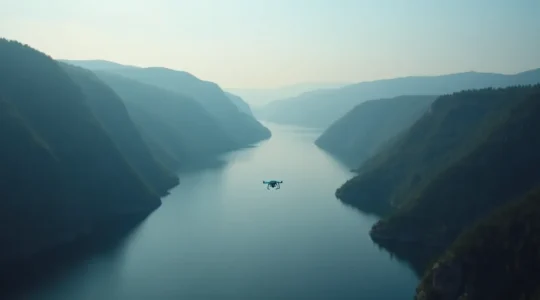
Where Can You Legally Fly a Drone to Capture Quebec’s Landscapes?
Successfully flying a drone in Quebec is less about finding loopholes and more about understanding the principles behind the rules. National and provincial parks (like SÉPAQ) are strict no-fly zones…
Read more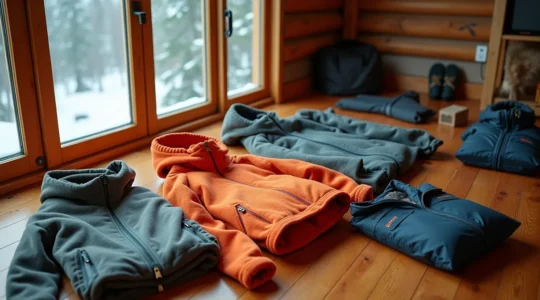
How to Pack for a Quebec Road Trip Covering Three Different Climates?
Packing for a Quebec road trip isn’t about bringing more clothes; it’s about adopting a smarter, modular system. Your core apparel must function as a technical three-part system (base, mid,…
Read more