Activities for All
Quebec stands apart as a travel destination where extreme geographic diversity meets accessible adventure. From the dense boreal forests of the north to the urban festival grounds of Montreal, from the frozen peaks of the Charbonneau Mountains to the whale-rich waters of the St. Lawrence, this province offers activities that genuinely cater to all skill levels, budgets, and risk tolerances. Understanding this landscape isn’t just about choosing what to do—it’s about preparing properly for environments that can shift from welcoming to hazardous within hours.
What makes Quebec’s activity landscape unique is the logistical reality behind each experience. A family ski weekend involves different planning than a fly-in fishing lodge. Wild swimming in a remote lake carries health considerations absent from supervised beaches. Festival-going in July heat requires strategies distinct from February backcountry skiing. This comprehensive resource connects the practical dots across Quebec’s most popular and challenging activities, addressing the real questions travelers face when moving beyond guidebook summaries to actual implementation.
Wilderness Adventures in Quebec’s Vast Territories
Quebec’s wilderness areas represent some of North America’s most extensive tracts of roadless forest, a reality that shapes every aspect of backcountry travel here. The sheer scale creates both opportunity and obligation for proper preparation.
Deep Forest Exploration and Bush Travel
The Quebec bush differs fundamentally from European forests or even southern Canadian woodlands. Forest density here can exceed 80% canopy coverage in mature stands, creating navigation challenges even in full daylight. A compass bearing that looks straightforward on a map might cross three kilometers of deadfall, wetland, and ridge systems that triple your actual travel time.
Essential gear considerations reflect these realities. Standard hiking equipment proves insufficient when technological limitations eliminate GPS reliability and cell coverage disappears within 30 kilometers of the last paved road. Insect pressure from late May through August demands purpose-built solutions—bug jackets with mesh hoods, permethrin-treated clothing, and headnets become mandatory rather than optional. Black flies and mosquitoes in Quebec’s boreal regions operate in swarm densities that can genuinely impact decision-making and safety if you’re unprepared.
Wildlife encounter protocols take on heightened importance when traveling beyond quick extraction range. Black bear density in certain watersheds exceeds one bear per 10 square kilometers. Understanding deterrence hierarchy—noise first, spray second, physical defense last—and carrying equipment in that order matters more than generic wilderness advice suggests.
Hunting and Fishing Outfitting Experiences
Quebec’s outfitting system operates under the ZEC (Zone d’Exploitation Contrôlée) and reserve models, which function differently than European permit systems or American public land access. Non-residents face specific licensing requirements administered through the Ministère des Forêts, de la Faune et des Parcs, with mandatory guide requirements for certain species and zones.
Fly-in logistics introduce weight restrictions that fundamentally shape what you can bring. Bush plane payload limits typically cap at 100-150 pounds per person including gear, forcing strategic choices between comfort and capability. Outfitters provide basics, but understanding what “provided equipment” actually means versus marketing language prevents arrival-day disappointments.
Exporting meat and trophies involves provincial and federal regulations that change based on species and destination. A successful moose hunt creates 200-400 pounds of meat requiring cold storage, processing, and customs documentation if you’re crossing international borders. Catch limits similarly require daily tracking—walleye limits differ between zones, and possession limits include frozen fish at your accommodation.
Water-Based Activities: Rivers, Lakes, and the St. Lawrence
Quebec’s water resources range from pristine northern lakes to the brackish estuary of the St. Lawrence, each environment carrying distinct safety and access considerations that urban water experience doesn’t prepare you for.
Wild Swimming and Natural Bathing Spots
The romance of secluded swimming holes meets biological reality in Quebec’s lakes. Parasitic infections, particularly swimmer’s itch from waterfowl-hosted parasites, occur in warmer shallow zones of even pristine-looking lakes. Risk assessment involves water temperature, waterfowl presence, and recent rainfall—factors visible to informed observers but invisible to casual visitors.
Thermal shock represents a more immediate danger. Lakes that feel refreshing at the surface often maintain 12-15°C temperatures at depth, even in July. The mammalian dive reflex triggered by sudden cold immersion can cause cardiac events in otherwise healthy adults. Gradual entry and avoiding head-first dives into unknown depths aren’t merely suggestions—they’re evidence-based protocols that prevent the majority of wild swimming emergencies.
Access rights create legal complications absent from ocean beaches. Quebec’s complex system of private shoreline ownership means many beautiful spots visible from roads or trails remain legally off-limits. Crown land boundaries and municipal bylaws require research rather than assumptions, particularly around developed lake regions in the Laurentians and Eastern Townships.
Saltwater Fishing Along the Coast
Tidal water fishing in the St. Lawrence Estuary and Gulf introduces regulations distinct from freshwater systems. Species like mackerel and striped bass operate under federal rather than provincial management, with catch limits and seasonal closures that change based on stock assessments. Public wharf safety becomes relevant when fishing structures built for commercial vessels, where tidal swings of 4-6 meters create changing hazards throughout your fishing session.
Run timing and seasonality dictate success more than skill or equipment. Mackerel runs typically peak during specific two-week windows tied to water temperature and baitfish movements. Arriving a week early or late can mean the difference between constant action and empty water, making local intelligence from tackle shops and harbor masters more valuable than generic seasonal guides.
Whale Watching in the St. Lawrence
The choice between Tadoussac and Gaspé for whale watching involves trade-offs beyond distance. Tadoussac offers higher encounter probability with belugas and minke whales in a concentrated area where the Saguenay meets the St. Lawrence, but also faces higher vessel traffic and larger crowds. Gaspé provides more space and potentially calmer seas, but requires longer cruises to reach feeding zones.
Vessel selection matters ethically and practically. Zodiac-style boats allow closer legal approaches and better photographic angles, but amplify seasickness risk and limit mobility for those with physical limitations. Larger cruise vessels provide stability and amenities while maintaining greater distance from animals. Understanding Marine Mammal Regulations regarding approach distances and engine-off requirements helps evaluate operator compliance before booking.
Winter Sports and Cold-Weather Activities
Quebec’s winter season defines the province as much as its French heritage. The activity spectrum ranges from controlled resort environments to backcountry expeditions where equipment failure can create life-threatening situations within hours.
Extreme Winter Sports and Backcountry Adventures
Medical evacuation costs in remote winter environments regularly exceed $15,000 for helicopter extraction, a figure standard travel insurance often excludes without specific adventure sport riders. Understanding your policy’s definition of “extreme” activities—does it include backcountry skiing? Ice climbing? Snowmobiling beyond marked trails?—prevents catastrophic financial surprises during actual emergencies.
Frostbite prevention in extreme cold requires understanding wind chill charts and exposure timelines. At -30°C with 20 km/h winds, exposed skin can freeze in under 10 minutes. Layering strategies for high-output activities balance sweat management against thermal protection, a more complex calculation than simply adding insulation. The Quebec cold is dry rather than damp, changing how materials perform compared to maritime winter climates.
Avalanche risk in Eastern Canada presents differently than in the Rockies. Lower absolute elevations and different snowpack structures don’t eliminate danger—they change its character. The Chic-Chocs range in Gaspésie sees significant avalanche activity, requiring formal training and beacon/probe/shovel systems for backcountry access.
Family-Friendly Ski Resorts
Optimizing lift ticket costs at Quebec resorts involves understanding pricing structures that reward advanced purchase and multi-day commitments. A family of four can see 30-40% savings by booking tickets 7+ days in advance rather than purchasing at the window. Season pass break-even points typically occur around 12-15 visit days, relevant for Montreal-area families treating Laurentian resorts as weekend destinations.
Ski school timing creates a common frustration point. Peak holiday weeks see morning lesson spots fill weeks in advance, while afternoon sessions remain available but sacrifice prime snow conditions. Booking immediately upon reservation opening—often 60-90 days out—secures preferred times, particularly for children’s group lessons where age-grouping limits flexibility.
On-mountain dining economics shock unprepared families. Resort cafeteria prices can run 200-300% above comparable food off-mountain. Strategic solutions include car-stored coolers for lunch returns (feasible at smaller hills with parking-lot proximity), bringing backpack snacks, or eating substantial breakfasts and early dinners to minimize mid-day spending.
Cross-Country Skiing and Nordic Trails
The waxing versus waxless ski decision impacts both performance and maintenance commitment. Waxless skis with patterned bases offer convenience and consistent grip across varying conditions, ideal for recreational skiers doing occasional outings. Waxable skis provide superior glide and efficiency when properly matched to conditions, but require temperature assessment, wax selection, and application time before each outing—a trade-off serious enthusiasts accept for performance gains.
Trail difficulty ratings in Quebec follow a color-coding system, but actual challenge depends heavily on recent grooming, snow conditions, and skier technique. A “blue” intermediate trail after fresh snowfall skis entirely differently than the same trail on packed granular snow three days later. Understanding classic versus skate-skiing technique requirements matters, as many trails designate separate lanes or prohibit skating entirely to preserve classic tracks.
Summer and Year-Round Active Pursuits
Beyond winter’s dominance, Quebec’s milder seasons open activities where weather variability rather than extreme cold becomes the primary planning consideration.
Cyclotourism and Bike Touring
Quebec’s Route Verte network spans over 5,000 kilometers of signed cycling routes, but road shoulder safety varies dramatically by region. Older provincial highways may offer minimal shoulder width, while purpose-built sections include separated paths. The difference matters profoundly when loaded touring bikes reduce maneuverability and long-haul trucks share the roadway.
Wind direction planning often receives insufficient attention from novice bike tourers. Quebec’s prevailing westerlies suggest eastward routing for multi-day tours, but local topography creates microclimates where river valleys funnel winds contrary to regional patterns. Mechanical support availability decreases rapidly outside major corridors—carrying spare tubes, a patch kit, and basic tools transitions from recommended to mandatory once you’re 50+ kilometers from the nearest bike shop.
Stealth camping legality exists in a gray zone on Quebec’s Crown lands, technically permitted in many areas but restricted near developed zones, parks, and private property. Understanding the distinction between provincial parks (generally prohibiting random camping) and ZEC territories (often permitting it with restrictions) requires research specific to your route rather than assumptions.
Mountain Hiking and Trail Systems
Trail ratings in Quebec’s park systems use various standards that don’t always align with international norms. A “difficult” trail in Parc national de la Gaspésie involves sustained elevation gain, rocky scrambling, and potential weather exposure. The same rating in a Monteregian hill park might simply indicate steep sections and uneven footing. Reading trail descriptions for specific features—elevation gain, technical terrain, distance—provides better preparation than relying on rating alone.
Hydration strategy for steep climbs in Quebec’s humid summer climate requires higher intake than equivalent effort in dry environments. Carrying 1 liter per 2 hours serves as a baseline, adjusted upward for temperature, exertion level, and individual needs. Descent technique matters more than many hikers realize—the majority of knee injuries and falls occur during downhill sections when fatigue combines with reduced attention and increased impact forces.
Urban Cultural Experiences: Montreal’s Festival Scene
Montreal’s summer festival calendar operates at an intensity few North American cities match, transforming neighborhoods into temporary event zones where normal urban navigation rules shift entirely.
Festival logistics start with understanding free versus paid experiences. Many major festivals including Jazz Fest and Just for Laughs offer substantial free outdoor programming alongside ticketed headline shows. Strategic attendance combines paid evening shows with free afternoon performances, maximizing experience while controlling costs.
Accommodation strategy during major festivals requires booking months in advance or accepting significant price premiums and reduced availability. Hotels within walking distance of festival grounds regularly implement minimum-stay requirements and premium pricing during peak weekends. Alternative strategies include staying in neighborhoods like Verdun or Rosemont with metro access, or booking student residences that offer summer accommodations.
Transport after midnight presents specific challenges when festivals run late and metro service ends. The metro closes between 1:00-5:30 AM on weekdays (later on weekends), creating a gap when shows finish but public transport stops. Night bus routes exist but run less frequently. Ride-sharing demand spikes create surge pricing and long wait times. Planning departure before metro closure or budgeting for late-night transport costs prevents frustrating situations.
Heatwave survival in festival crowds requires active strategies during July and August events when temperatures can exceed 30°C with high humidity. Heat exhaustion in crowded festival spaces happens faster than most attendees expect, particularly when combining alcohol consumption, sun exposure, and prolonged standing. Carrying water, taking shade breaks, and recognizing early symptoms—dizziness, headache, excessive thirst—keeps experiences enjoyable rather than medical.
Quebec’s activity landscape rewards those who look past the promotional imagery to understand the practical realities shaping each experience. Whether you’re preparing for a week-long canoe expedition, a family ski holiday, or a weekend of urban festivals, the difference between struggle and success often lies in addressing the specific logistical, safety, and regulatory considerations that define each activity in this unique environment. The province genuinely offers activities for all—but “for all” means different preparation, not universal ease.

How to Hike Mont-Tremblant’s Peaks Without Injuring Your Knees?
The greatest threat to your knees at Mont-Tremblant isn’t the climb up; it’s the punishing, uncontrolled descent that many hikers are unprepared for. Descending can multiply the force on your…
Read more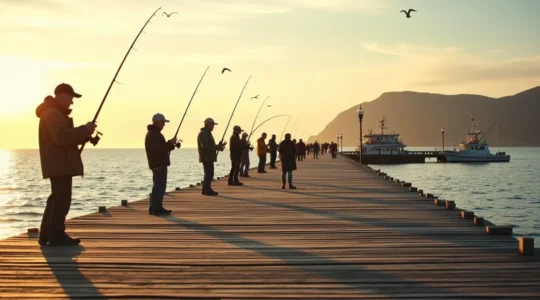
How to Fish for Mackerel on Quebec Wharves Without a Permit?
In summary: You don’t need a permit for most groundfish (like mackerel) in Quebec’s tidal waters, known as Zone 21. The law is strict: you can only use one line…
Read more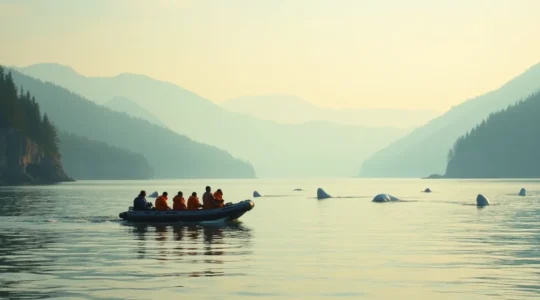
How to Choose an Eco-Responsible Whale Watching Tour on the St. Lawrence?
True ethical whale watching prioritizes the animal’s biological needs over the tourist’s spectacle; many tours marketed as “eco” still cause significant stress to marine life. A vessel’s acoustic footprint—the underwater…
Read more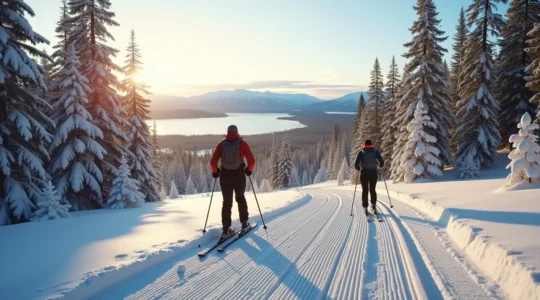
Classic or Skate Skiing: Which Technique Is Best for Quebec Conditions?
In summary: Your choice depends less on the technique and more on understanding Quebec’s specific trail culture and variable weather. Mastering layering and choosing the right ski base (like skins)…
Read more
How to Plan a Dream Family Ski Trip to Tremblant (Without a Five-Figure Budget)
A luxury family ski vacation at Tremblant for under $10,000 isn’t about skipping the fun; it’s about sidestepping the tourist price tags by spending smarter. Major costs like lift tickets…
Read more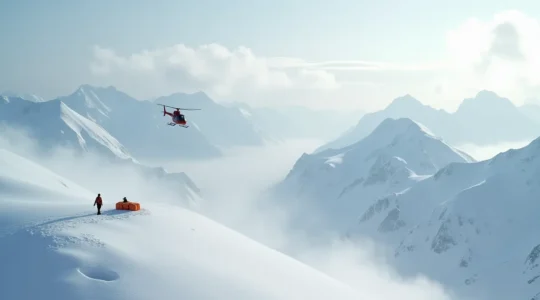
Does Your Travel Insurance Cover Off-Piste Skiing in Quebec?
Thinking your standard travel insurance has your back for a Quebec backcountry adventure is a potentially bankrupting assumption. Most policies contain “out-of-bounds” or “backcountry” exclusion clauses that void your coverage…
Read more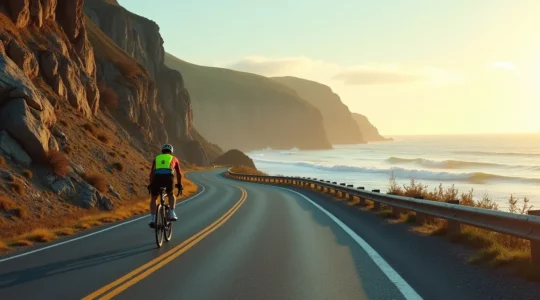
How to Safely Cycle Route 132 in Gaspésie Amidst Heavy Traffic
Successfully cycling the Gaspésie tour isn’t a test of fitness, but of strategic foresight against the route’s specific challenges. Infrastructure gaps, including long stretches with no shoulder, demand defensive riding…
Read more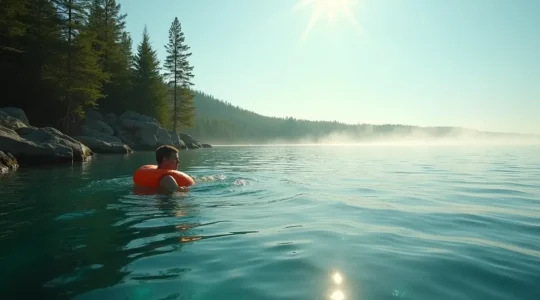
How to Swim Safely in Quebec’s Wild Lakes?
In summary: The biggest risks in Quebec’s unmonitored lakes are often invisible: parasites, toxic algae, and sudden temperature drops (thermocline shock). True safety comes from “water literacy”—learning to read environmental…
Read more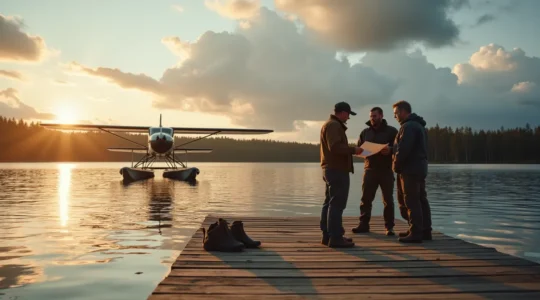
How to Choose the Right Outfitter in Northern Quebec for Your Needs?
In summary: A successful Quebec trip depends less on the destination and more on mastering the specific logistical and regulatory details. The “cheaper” European Plan can become more expensive than…
Read more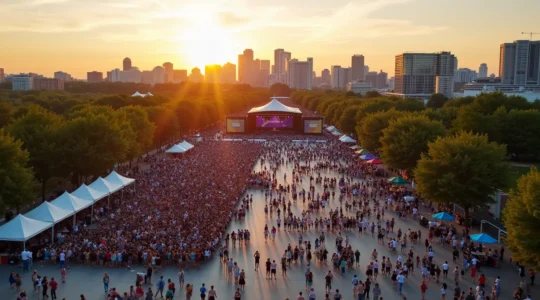
How to Navigate Montreal’s Summer Festivals Like a Local?
The secret to mastering Montreal’s festivals isn’t just knowing the schedule; it’s understanding the city’s operational flow to bypass its biggest friction points. Transportation strategy is about avoiding hub stations…
Read more