Accommodation in Quebec
Choosing where to stay in Quebec goes far beyond browsing photos and comparing prices. From rustic cabins deep in the Laurentians to urban lofts in Montreal’s Plateau, the province offers an exceptional diversity of accommodation options, each with its own set of expectations, regulations, and practical considerations. Understanding these nuances before you book can mean the difference between a seamless adventure and unexpected complications that derail your travel plans.
Quebec’s accommodation landscape operates within a unique framework shaped by provincial regulations, distinctive seasonal challenges, and a geography that ranges from densely populated urban centers to remote wilderness areas accessible only by forestry roads. Whether you’re planning a digital detox in Charlevoix, a family getaway to the Eastern Townships, or a solo retreat on the Gaspé Peninsula, knowing what to expect—and what questions to ask—empowers you to make informed decisions that align with your comfort level, budget, and travel goals.
Understanding Alternative Lodging Options in Quebec
Beyond traditional hotels, Quebec has embraced a wide spectrum of alternative accommodation types that reflect both the province’s pioneering spirit and its vast, varied terrain. You’ll encounter everything from fully equipped micro-cabins and transparent domes for aurora watching to converted sugar shacks, floating chalets on lakes, and heritage farmhouses transformed into guest quarters.
Each category comes with distinct amenities and logistics. A rustic cabin may offer composting toilets and propane lighting, while a “glamping” setup might include memory foam mattresses and curated local food baskets. The key is understanding that booking windows for these unique properties often operate differently than conventional hotels. Popular off-grid retreats, particularly in Mauricie or along the Saguenay Fjord, frequently require reservations months in advance for peak periods like fall foliage season or winter Northern Lights viewing. Conversely, shoulder season availability can be excellent, though you’ll need to verify which amenities remain operational when temperatures drop.
Think of alternative lodging as a spectrum rather than a category. At one end, you have properties that simply offer a non-hotel structure but maintain full modern conveniences; at the other, true wilderness experiences where you’ll haul your own water and rely on solar power. Clarifying exactly where on this spectrum your chosen accommodation falls—before you commit—prevents the disappointment of arriving at a “cottage” only to discover it’s a basic shelter with none of the comforts you anticipated.
Essential Amenities and Practical Considerations
Quebec’s climate and geography create specific amenity challenges that differ significantly from accommodations in milder regions. What’s standard in one season may be unavailable—or critically important—in another.
Heating and Seasonal Comfort
The province experiences dramatic temperature swings, and heating capabilities become paramount during shoulder seasons—roughly mid-September through May, when nighttime temperatures can plummet unexpectedly. Many alternative lodgings rely on wood stoves, electric baseboard heaters, or propane furnaces rather than central heating systems. A wood stove provides wonderful ambiance but requires physical effort, prior experience, and a willingness to wake up to a cold cabin if the fire dies overnight. Properties heated exclusively by electricity may have limited capacity; running a space heater, hot tub, and electric kettle simultaneously could trip breakers.
Always confirm the heating method and its adequacy for the specific dates you’re booking. A cabin comfortable in July may be inadequately heated for October, when morning frosts arrive. Reputable hosts provide clear guidance about expected indoor temperatures and whether you should bring supplementary blankets.
Sanitary Facilities and Hygiene Standards
Sanitary facility expectations vary enormously across Quebec’s accommodation spectrum. Urban vacation rentals typically offer conventional bathrooms, but rural and remote properties may feature composting toilets, outdoor showers heated by propane on-demand systems, or shared bathhouse facilities.
Composting toilets, increasingly common in eco-conscious properties and off-grid locations, function effectively but require basic understanding of their operation—adding carbon material after use, avoiding certain products, and managing capacity during longer stays. These systems align with Quebec’s growing environmental awareness but represent a learning curve for first-time users. If this falls outside your comfort zone, verify that conventional plumbing is available before booking.
Water quality also deserves attention. While municipal water supplies in Quebec cities meet rigorous standards, rural properties may draw from wells or surface water. Responsible hosts provide clear information about whether water is potable or requires boiling, and many supply bottled water for drinking and cooking.
Linens, Equipment, and What’s Included
Linen and equipment policies lack standardization across alternative accommodations. The assumption that “fully equipped” includes bed linens, towels, and kitchen basics doesn’t always hold true, particularly for budget-friendly or deliberately minimalist properties.
Before finalizing your reservation, confirm explicitly what’s provided versus what you need to bring. Typical variables include:
- Bed linens and pillows (some properties provide mattresses only)
- Bath and kitchen towels
- Firewood supply (first bundle complimentary vs. full supply vs. bring your own)
- Cookware quality and completeness (can you actually prepare meals, or just reheat?)
- Outdoor equipment (kayaks, snowshoes, fishing gear—included, rentable, or unavailable?)
- Cleaning supplies and paper products
Think of this like arriving at a friend’s cottage—what would you automatically pack versus what you’d expect to find there? Applying this mindset helps you prepare appropriately and avoid the frustration of discovering missing essentials after stores have closed.
Preparing for Remote and Off-Grid Experiences
Quebec’s vast wilderness areas offer unparalleled opportunities for genuine disconnection, but this remoteness requires mental preparation and practical planning that urban travelers may not initially consider.
Digital Connectivity and Disconnection
Cellular coverage remains spotty or nonexistent across significant portions of Quebec’s territory. Regions like Abitibi-Témiscamingue, Côte-Nord, and even parts of the popular Charlevoix area have coverage gaps that can surprise visitors accustomed to constant connectivity. Many remote accommodations market themselves as digital detox destinations, lacking not just cellular signal but also Wi-Fi infrastructure.
If you’ve grown dependent on smartphones for everything from navigation to entertainment to work communication, this absence can trigger genuine psychological discomfort—ranging from mild anxiety to significant stress. The psychological impact of silence and disconnection proves more challenging than many travelers anticipate. Without the constant stimulus of notifications and streams, some people experience restlessness or difficulty relaxing initially.
The solution isn’t avoiding these experiences but preparing intentionally. Download offline maps, books, and entertainment before departure. Inform family and employers about your unreachability. Set realistic expectations about how you’ll occupy time without screens. This mental preparation transforms potential frustration into the liberating experience many seek from wilderness stays.
Emergency Communication Planning
While embracing disconnection has psychological benefits, emergency communication remains a legitimate safety consideration for remote accommodations. Responsible hosts provide clear information about emergency protocols, including the nearest locations with cellular coverage, landline phone availability at the property, and distances to medical facilities.
Consider these practical preparations for off-grid stays:
- Note the exact coordinates or civic address of your accommodation and the nearest hospital
- Understand where cell coverage begins (often a specific kilometer marker or hilltop)
- Verify whether the property has a landline, satellite phone, or emergency radio
- Share your detailed itinerary with someone who will notice if you don’t check in as planned
- Pack a comprehensive first aid kit appropriate for your distance from medical care
Think of this like backcountry hiking preparation—you hope never to need these precautions, but establishing them provides peace of mind that actually enhances relaxation.
Entertainment Without Technology
Once you’ve accepted limited or absent connectivity, the question becomes: how will you actually spend your time? Analog entertainment options deserve conscious planning, particularly for families with young children accustomed to screen-based activities.
Many Quebec hosts curate thoughtful selections of board games, books, puzzles, and outdoor equipment, but quality and variety differ dramatically. Before assuming you’ll “figure it out when we get there,” consider packing materials aligned with your interests—art supplies, musical instruments, field guides for flora and fauna identification, star charts for night sky observation, or fishing equipment. The goal isn’t replicating urban entertainment but intentionally choosing activities suited to your surroundings.
Safety and Accessibility Considerations
Different travelers face distinct safety and accessibility challenges in Quebec’s diverse accommodation landscape. Understanding these factors helps match properties to your specific needs.
Traveling with Young Children
Quebec’s alternative accommodations vary enormously in their accessibility for young children. Factors that pose minimal concern for adult couples become significant safety issues with toddlers present. Waterfront properties may lack fencing, loft sleeping areas may have inadequate railings, wood stoves create burn hazards, and steep access stairs challenge families with infants and gear.
When booking with young children, explicitly confirm child-specific safety features: stair gates, outlet covers, cabinet locks, secured furniture, and enclosed outdoor spaces. The province’s more established family-oriented resorts typically address these considerations comprehensively, while trendy minimalist cabins may prioritize aesthetics over child-proofing. There’s no judgment in either approach—just ensure alignment between the property’s design and your family’s needs.
Solo Traveler Safety
Solo safety, particularly for women traveling alone, represents a legitimate consideration when booking remote accommodations. While Quebec generally maintains a well-deserved reputation for safety, isolation itself creates vulnerability that differs from urban vacation rentals in populated neighborhoods.
Prudent precautions for solo travelers include verifying that properties have functioning locks on all access points, researching host reviews specifically mentioning solo stays, ensuring someone knows your exact location, and trusting your instincts if communication with a host raises concerns. The legitimate platforms popular in Quebec—including properties registered with Tourism Quebec—provide accountability and recourse that informal arrangements may lack.
Wildlife Awareness and Protocols
Quebec’s wilderness accommodations often exist within active wildlife habitat, particularly bear country throughout the Laurentians, Outaouais, and regions north of the St. Lawrence. Understanding wildlife protocols isn’t optional—it’s essential for both your safety and the animals’ welfare.
Properties in bear-active areas should provide clear guidance about waste management, food storage, and appropriate responses to wildlife encounters. This typically includes bear-proof garbage containers, instructions to keep all food and toiletries inside or in designated storage, and recommendations against leaving pet food outdoors. Hosts who don’t proactively address these topics in bear country raise red flags about their property management standards.
Similarly, accommodations near water may involve moose crossing routes, and spring travel often coincides with black fly and mosquito seasons requiring different preparations than visitors from urban areas might anticipate. Think of wildlife awareness as part of the authentic Quebec experience—learning to coexist respectfully with the environment enhances rather than diminishes your stay.
Legal Framework and Booking Protection
Quebec operates under specific tourism accommodation regulations that provide important consumer protections but also require awareness to navigate effectively.
CITQ Registration Requirements
The Corporations de l’industrie touristique du Québec (CITQ) serves as the provincial organization responsible for tourism establishment classification and registration. Legal vacation rentals in Quebec must obtain CITQ registration and display their classification number prominently in their listings. This registration ensures compliance with safety standards, insurance requirements, and taxation regulations.
When browsing accommodations, verify the presence of a valid CITQ number. Legitimate hosts include this information in their property descriptions; its absence suggests either deliberate non-compliance or hosts unaware of their legal obligations—neither scenario inspires confidence. The CITQ registry is publicly searchable, allowing you to confirm a property’s registration status independently if you have any doubts.
This regulatory framework exists to protect travelers. Registered establishments meet minimum safety standards for electrical systems, emergency exits, smoke detectors, and structural soundness. Unregistered properties operating in legal grey areas offer no such assurances and may void your travel insurance in case of incidents.
Avoiding Fraudulent Listings
Scam listings and fraudulent accommodations affect Quebec as they do tourism destinations globally. Common red flags include requests for payment outside established platforms, prices dramatically below market rates, hosts unwilling to answer specific questions about their property or location, and listings using stolen photos from other properties.
Protect yourself by booking exclusively through established platforms that offer payment protection and dispute resolution, conducting reverse image searches on property photos to verify authenticity, and insisting on detailed answers to specific questions about amenities and access. A legitimate host welcomes thorough questions as evidence of a conscientious guest; evasive or irritated responses warrant suspicion.
Security Deposits and Damage Protection
Security deposit practices vary across booking platforms and individual hosts. Some collect deposits directly (raising potential issues if disputes arise), others use platform-managed systems, and some waive deposits entirely in favor of damage insurance options purchased by guests.
Understand the deposit terms before booking: How much is held? By what method? Under what specific conditions is it forfeited? What constitutes normal wear versus damage? Document the property’s condition thoroughly upon arrival with timestamped photos—this protects both you and the host by establishing baseline condition. Reputable hosts appreciate this diligence as it prevents misunderstandings about pre-existing issues.
Respecting Local Regulations and Community
Being a considerate guest extends beyond respecting the physical property to understanding your impact on surrounding communities and ecosystems.
Noise regulations in Quebec’s residential areas and cottage communities often include quiet hours strictly enforced during evening and early morning periods. This proves particularly important in dense cottage areas along popular lakes where sound carries across water. What feels like moderate conversation volume on a dock at 10 PM may disturb neighbors hundreds of meters away. Many municipalities have bylaws specifying decibel limits and quiet hours; violations can result in fines and awkward interactions with local law enforcement.
Similarly, waste management in bear country isn’t merely a suggestion—it’s often codified in local regulations and always represents an ecological responsibility. This includes proper sorting of recyclables (Quebec maintains specific recycling standards), securing garbage until designated pickup times, and never leaving food waste accessible to wildlife. Black bears habituated to human food become dangerous and often require relocation or euthanization. Your waste management diligence directly affects wildlife welfare and community safety.
Think of yourself as a temporary community member rather than a tourist passing through. Respect for local norms, environmental protocols, and community standards ensures that residents continue welcoming visitors and that pristine areas remain accessible for future travelers.
Navigating Quebec’s accommodation landscape successfully requires looking beyond attractive photos to understand the practical, legal, and environmental context of where you’ll stay. By asking informed questions, verifying regulatory compliance, preparing appropriately for seasonal and geographic realities, and approaching each booking with both enthusiasm and diligence, you position yourself for experiences that match your expectations and respect Quebec’s remarkable natural and cultural environment. The investment of time in this preparation pays dividends in comfort, safety, and authentic connection with one of Canada’s most distinctive regions.
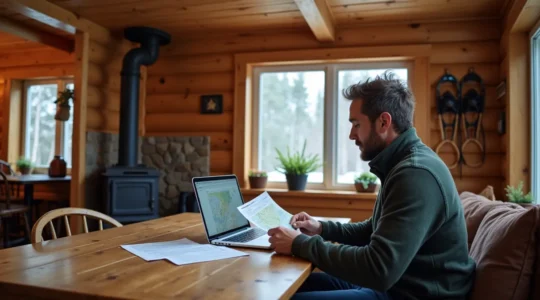
How to Rent a Chalet in Quebec Without Getting Scammed?
To avoid Quebec rental fraud, you must shift from a traveler’s mindset to a fraud investigator’s, treating every listing as a case to be solved before any money changes hands….
Read more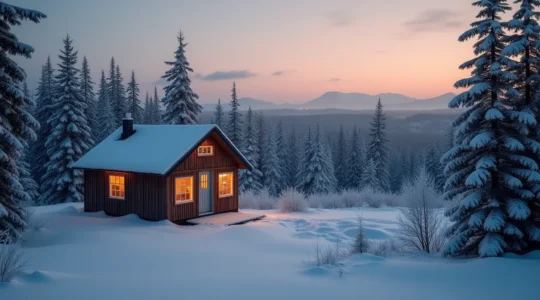
How to Handle a Digital Detox in a Remote Quebec Cabin?
Contrary to popular belief, a successful digital detox isn’t about the willpower to ignore your phone; it’s about managing the predictable anxiety of the ‘stimulus vacuum’. Withdrawal symptoms like phantom…
Read more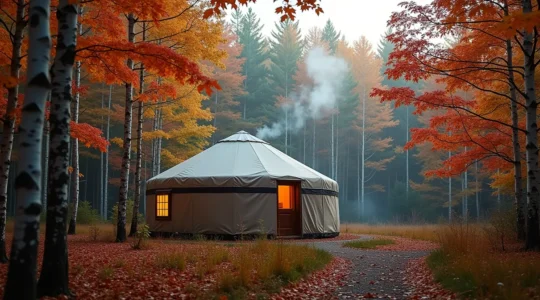
How to Choose Glamping Accommodations in Quebec That Are Actually Comfortable
The secret to comfortable glamping in Quebec isn’t just reading reviews; it’s conducting a forensic analysis of the listing before you book. Heating and plumbing are non-negotiable; vague terms like…
Read more